


As we move deeper into 2026, nutrition is no longer just about counting calories or carbs — it’s about what food does for your body and mind. The latest trends reflect a growing understanding of dietary science, lifestyle goals, and wellness priorities. From the rise of fibermaxxing to the explosion of functional foods designed for specific benefits, the way we eat is evolving — and smarter choices are taking center stage.
1. Fibermaxxing: The New Nutrition Obsession
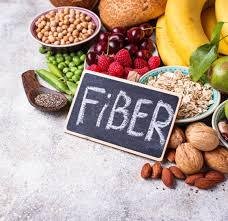
One of the most talked-about trends this year is fibermaxxing — a movement encouraging people to intentionally increase their daily fiber intake well beyond traditional recommendations. Originally fueled by social media platforms like TikTok and Instagram, this concept is now backed by nutrition professionals as more consumers seek solutions for better gut health, improved digestion, and overall wellness.
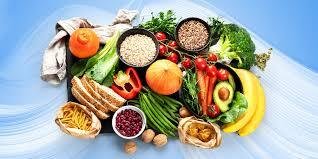
Unlike past nutrition fads, fibermaxxing focuses on whole, plant-based foods such as legumes, whole grains, fruits, vegetables, nuts, and seeds. Products fortified with prebiotic fiber like chicory root and inulin are also gaining popular acceptance. These fibers don’t just support digestion — they help feed beneficial gut bacteria, which plays a critical role in immune function, mental well-being and even metabolic health.
Experts now see dietary fiber as so essential that in some nutrition circles, fiber has become “the new protein”, symbolizing a seismic shift in how we define nutrient priorities.
2. Functional Foods: Eating With Purpose
In 2026, food isn’t just for sustenance — it’s medicine you eat. Functional foods are designed to offer benefits beyond basic nutrition, directly targeting areas such as immune support, cognitive health, energy, and gut balance.
Thanks to growing consumer interest in holistic health, manufacturers are innovating with ingredients such as probiotics, prebiotics, postbiotics, antioxidants, adaptogens (like ashwagandha), and nootropics (like lion’s mane or L-theanine). These compounds are being integrated into everyday foods — from snack bars and chocolates to beverages and yogurts — making functional nutrition both accessible and enjoyable.
Beverages infused with gut-friendly fibres or immune-supportive botanicals (think ginger, turmeric, or elderberry) are now mainstream, while confectionery brands are experimenting with probiotics and micronutrients to enhance wellness without sacrificing indulgence.
3. Personalized Nutrition: Tailored for You
While general trends shape public interest, personalized nutrition is rapidly becoming a defining characteristic of the year. Advances in health tracking — including wearable tech, glucose monitors, and even microbiome analysis — are enabling individuals to customize diets based on real-time data and personal health goals.
Rather than following one-size-fits-all diet plans, consumers are turning to tools that provide insights on how their body responds to specific foods. This shift means meal plans are increasingly tailored to support unique metabolic patterns, digestive responses, and long-term health goals — from weight management to chronic disease prevention.
4. Mind-Body Nutrition: More Than Just the Physical
In 2026, there’s wider recognition that nutrition affects mental and emotional health as much as physical well-being. Ingredients that support cognitive function, stress resilience, and emotional balance — such as omega-3s, magnesium, and adaptogens — are gaining popularity.
Foods and beverages that contribute to mood stability, focus, and calm energy help bridge the gap between eating and feeling better. As a result, wellness isn’t just about physical metrics anymore; it’s about how food makes you feel.
5. The GLP-1 Influence on Nutritional Choices
Another emerging theme is the influence of GLP-1 medications on dietary behavior and food development. As more people adopt these appetite-modulating therapies, smaller, nutrient-dense meals rich in protein and fiber are becoming desirable. This trend is encouraging food brands to create compact meal options that deliver maximum nourishment in controlled portions.
This shift supports a broader goal: eat smarter with less, yet feel fuller and energized longer, which aligns with both health-conscious lifestyles and the functional nutrition movement.
Final Thoughts
Nutrition in 2026 is about purposeful eating. Whether it’s fibermaxxing for gut health, embracing functional foods for targeted benefits, or personalizing diets with precision tools — the emphasis has shifted from quantity to quality and impact. Today’s food choices are driven by scientific insights, lifestyle aspirations, and wellness outcomes, making eating both smart and meaningful.
As trends continue to evolve, one thing is clear: health isn’t a diet — it’s a lifestyle powered by intentional food choices. And in 2026, food is finally meeting that promise.