


For more than a decade, traditional software business models—especially subscription-based SaaS—have dominated the technology landscape. Predictable recurring revenue, steady upgrades, and long-term customer contracts made SaaS the gold standard for software companies and investors alike. But today, that model is under growing pressure. Rapid advances in artificial intelligence, changing customer expectations, and new pricing paradigms are forcing software companies to rethink how they build, sell, and monetize their products.
The Cracks in the Traditional SaaS Model
The classic SaaS formula is simple: sell licenses or subscriptions, charge per user or per seat, and lock customers into annual or multi-year contracts. While this approach once felt innovative compared to on-premise software, it is increasingly seen as rigid and expensive.
Customers are questioning why they should pay for dozens—or thousands—of licenses when AI tools can automate large portions of work once handled by human users. If an AI agent can replace five analysts or ten support reps, paying per seat suddenly feels outdated. As a result, buyers are demanding pricing that reflects outcomes and value, not headcount.
At the same time, competition has intensified. Lower barriers to entry, open-source alternatives, and AI-powered startups are flooding the market with cheaper, faster, and more flexible software options.
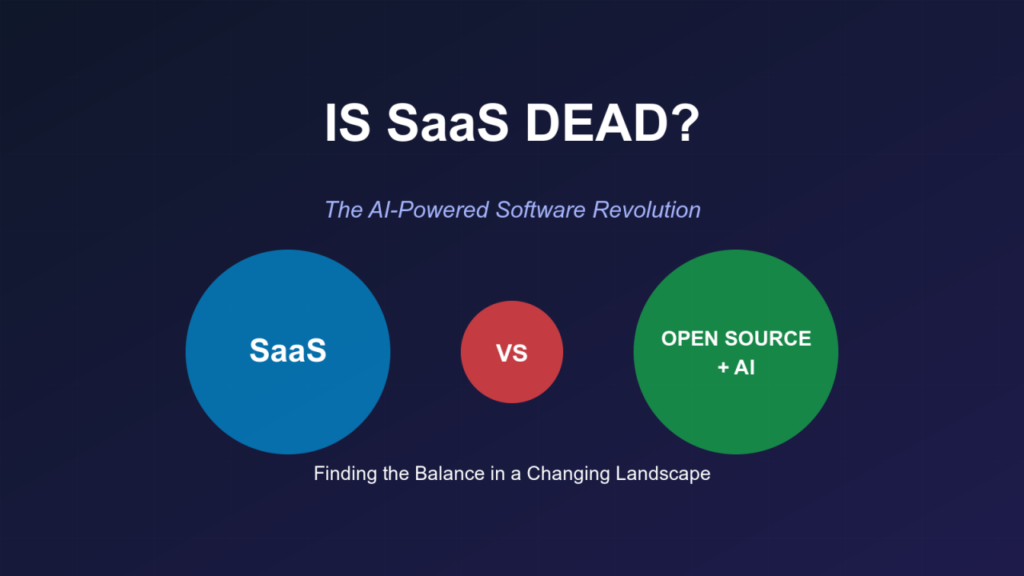
AI Is Reshaping How Software Is Consumed
Artificial intelligence is the single biggest disruptor of traditional software models. Instead of users actively interacting with software interfaces, AI agents can now perform tasks autonomously—writing code, analyzing data, responding to customers, and even making decisions.
This shift challenges the very foundation of SaaS pricing. If software is doing the work itself, who is the “user”? Charging per seat or per login no longer aligns with how value is delivered. As a result, companies are experimenting with new models such as usage-based pricing, consumption-based billing, and performance-based fees.
AI also accelerates commoditization. Features that once justified premium pricing—search, analytics, recommendations—are now easily replicated with large language models and APIs. This makes it harder for legacy software vendors to differentiate on functionality alone.
Investor Pressure and Market Reality
Investors are also contributing to the pressure. After years of growth-at-all-costs strategies, markets are now prioritizing profitability, efficiency, and sustainable margins. Many traditional software companies are facing slower growth, higher churn, and tougher renewal negotiations.
This has led to layoffs, reduced R&D spending, and consolidation across the industry. Large vendors are acquiring AI startups to stay relevant, while smaller SaaS companies struggle to justify their valuations in a world where AI-native competitors can scale faster with leaner teams.
Customers Want Outcomes, Not Tools
Another major shift is in customer mindset. Businesses no longer want just tools; they want results. Instead of buying software to manage projects, they want projects completed faster. Instead of purchasing CRM platforms, they want higher conversion rates and better customer retention.
This outcome-driven demand puts pressure on traditional vendors that sell feature-heavy platforms requiring extensive setup, customization, and training. AI-native solutions that promise faster time-to-value are often more appealing, even if they are less comprehensive on paper.

How Software Companies Can Adapt
Despite these challenges, traditional software business models are not doomed—but they must evolve. Successful companies are already adapting by:
- Reinventing pricing models to align with usage, outcomes, or business impact
- Embedding AI deeply into products rather than treating it as an add-on
- Focusing on vertical specialization, where deep industry knowledge creates defensible value
- Simplifying user experiences to reduce friction and speed adoption
- Building ecosystems and platforms instead of standalone tools
Conclusion
The pressure on traditional software business models is real and accelerating. AI, shifting customer expectations, and economic realities are forcing the industry to rethink long-standing assumptions about how software is built and sold. While the SaaS model will not disappear overnight, its next evolution will favor companies that prioritize flexibility, intelligence, and measurable value. In this new era, software that adapts will thrive—while software that clings to the past risks being left behind.