


Inflation affects almost everyone. Groceries cost more, fuel prices fluctuate, rent increases, and even basic services slowly become expensive. When your income does not rise at the same pace as prices, budgeting becomes essential, not optional. A smart budgeting strategy during inflation helps you stay in control, reduce stress, and make the most of your money.
Here are practical and effective budgeting strategies to help you manage your finances during inflationary times.
1. Revisit and Update Your Budget Regularly
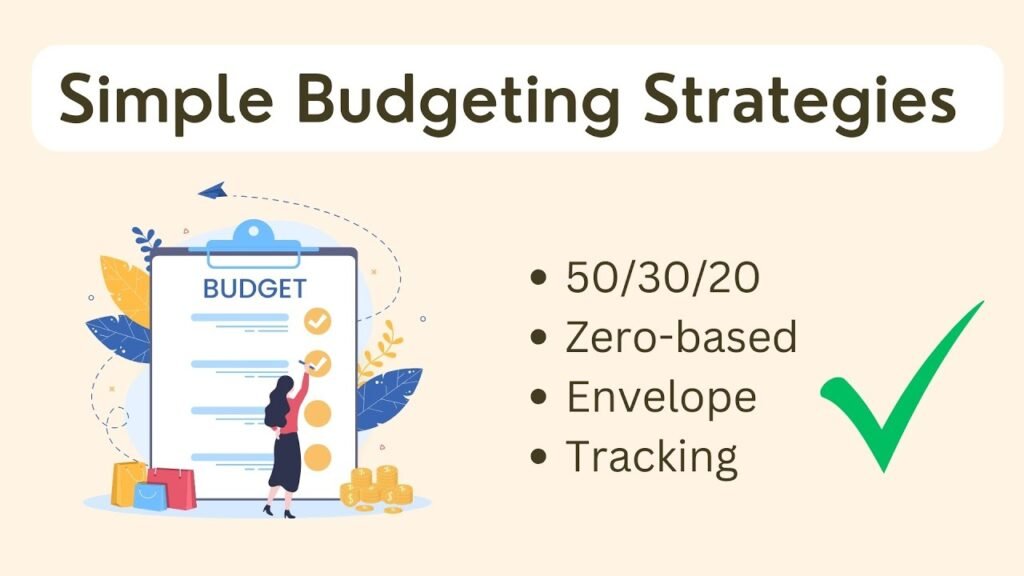
During inflation, old budgets quickly become outdated. Prices change often, so reviewing your budget monthly is important. Track how much you actually spend on essentials like food, utilities, transportation, and healthcare. Adjust spending limits based on current prices rather than past habits.
Use budgeting apps or a simple spreadsheet to stay organized. The goal is not perfection, but awareness. When you know where your money goes, you can make better decisions.
2. Prioritize Needs Over Wants
Inflation is the right time to separate necessities from non-essential spending. Focus on covering essentials first:
- Housing
- Food
- Utilities
- Transportation
- Insurance
- Healthcare
Entertainment, dining out, subscriptions, and impulse purchases should come after essentials. This does not mean eliminating fun completely, but being more intentional about it.
3. Cut Costs Without Sacrificing Quality
Look for smart ways to reduce expenses:
- Switch to generic or store-brand groceries
- Buy in bulk for items you use regularly
- Compare prices before making purchases
- Cancel unused subscriptions
- Negotiate bills like internet, phone, or insurance
Small savings across multiple areas can add up significantly over time.
4. Plan Your Grocery Spending Carefully
Food inflation is often one of the biggest challenges. Create weekly meal plans to avoid last-minute purchases. Shop with a list and avoid shopping when hungry. Take advantage of discounts, loyalty programs, and seasonal produce.
Cooking at home more often and limiting packaged or convenience foods can reduce costs while also improving health.
5. Build an Emergency Fund
Inflation brings uncertainty. Having an emergency fund helps you handle unexpected expenses without relying on credit cards or loans. Aim to save at least three to six months of essential expenses.
If saving feels difficult, start small. Even setting aside a small amount each month builds financial security over time.
6. Reduce Debt and Avoid High Interest
Inflation often comes with higher interest rates, making debt more expensive. Focus on paying down high-interest debt, such as credit cards or personal loans, as quickly as possible.
Avoid taking on new unnecessary debt. Paying interest during inflation reduces your purchasing power even further.
7. Increase or Diversify Your Income
If expenses rise faster than income, consider ways to increase earnings:
- Freelancing or consulting
- Part-time or remote work
- Selling unused items
- Learning new skills for career growth
Even a small additional income stream can help balance rising costs.
8. Adjust Savings and Investment Goals
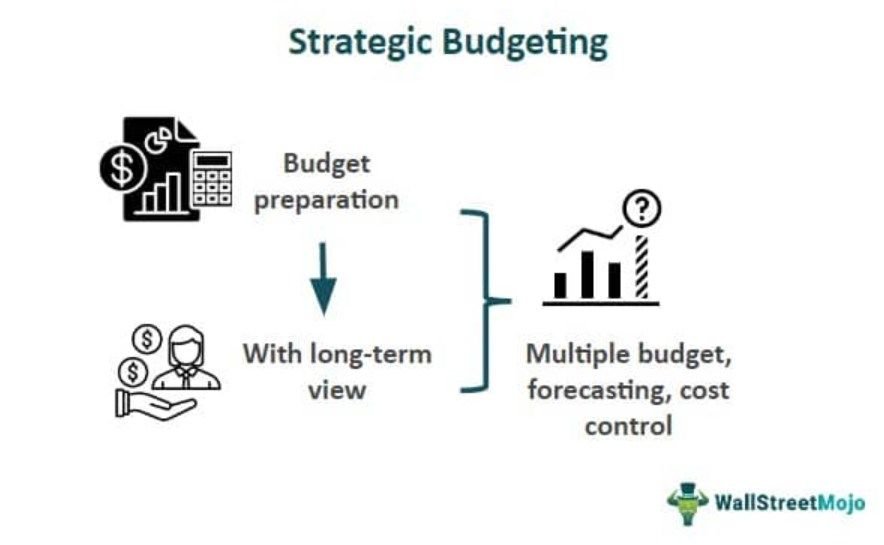
Inflation reduces the real value of money sitting idle. While budgeting focuses on spending, it is also important to think long-term. Consider investment options that can help your money grow faster than inflation, based on your risk tolerance.
Review your financial goals and timelines, and adjust contributions if necessary.
9. Practice Mindful Spending
Mindful spending means asking yourself one simple question before buying something: Do I really need this right now? Delaying purchases often reduces impulse spending and helps you stay within budget.
Final Thoughts
Inflation can feel overwhelming, but it does not have to derail your finances. By updating your budget, prioritizing essentials, cutting unnecessary costs, and planning ahead, you can stay financially resilient even when prices rise.
Budgeting during inflation is not about restriction. It is about making smarter choices so your money continues to work for you, no matter the economic climate.