


Starting a fitness routine is easy. Sticking to it is the real challenge. Many people jump into intense workouts, only to lose motivation within weeks. The key to long-term success isn’t extreme exercise—it’s creating a fitness routine that fits your lifestyle, goals, and energy levels. A well-designed routine supports both physical health and mental well-being, helping you stay consistent over time.
Understanding the Purpose of a Fitness Routine
A fitness routine is more than a schedule of exercises. It’s a structured approach to staying active, improving strength, endurance, flexibility, and overall health. Whether your goal is weight loss, muscle building, stress relief, or better mobility, your routine should align with what you want to achieve. Without clear goals, workouts often feel random and unsustainable.
Start with Realistic Goals

One of the most common mistakes people make is setting unrealistic expectations. Trying to work out every day or copying advanced training plans can quickly lead to burnout or injury. Instead, start small. Committing to 30 minutes of activity three to four times a week is a realistic and effective starting point. As your strength and stamina improve, you can gradually increase intensity or frequency.
Key Components of an Effective Fitness Routine
A balanced fitness routine includes multiple elements, each serving a unique purpose.
Strength training helps build muscle, improve posture, and boost metabolism. Exercises such as squats, push-ups, lunges, and resistance training support long-term physical health and functional movement.
Cardiovascular exercise improves heart health and endurance. Activities like walking, running, cycling, swimming, or dancing raise your heart rate and improve circulation. Even moderate cardio done consistently can make a big difference.
Flexibility and mobility training are often overlooked but essential. Stretching, yoga, or mobility drills help prevent injuries, reduce muscle stiffness, and improve movement quality.
Rest and recovery are just as important as exercise. Your body needs time to repair and strengthen muscles. Including rest days in your routine helps avoid fatigue and overtraining.
Consistency Over Intensity
The most effective fitness routines are not the hardest—they are the ones you can maintain. Consistency matters more than intensity. A simple workout done regularly will always outperform an intense routine followed inconsistently. Choosing activities you enjoy increases the likelihood of sticking to your routine. Whether it’s group classes, outdoor workouts, or home training, enjoyment plays a major role in long-term success.
Adapting Fitness to Your Lifestyle
A good fitness routine should work with your schedule, not against it. Busy professionals may benefit from shorter, high-efficiency workouts, while others may enjoy longer gym sessions. Home workouts, online classes, and fitness apps have made it easier than ever to stay active without rigid time commitments.
Your routine should also evolve with your lifestyle. Travel, work stress, or personal commitments may require temporary adjustments. Flexibility ensures you stay active even during busy or challenging periods.
The Role of Nutrition and Hydration
Exercise alone isn’t enough. Nutrition plays a vital role in supporting your fitness routine. Eating balanced meals with adequate protein, carbohydrates, and healthy fats helps fuel workouts and promote recovery. Staying hydrated improves performance and reduces fatigue.
Mental and Emotional Benefits
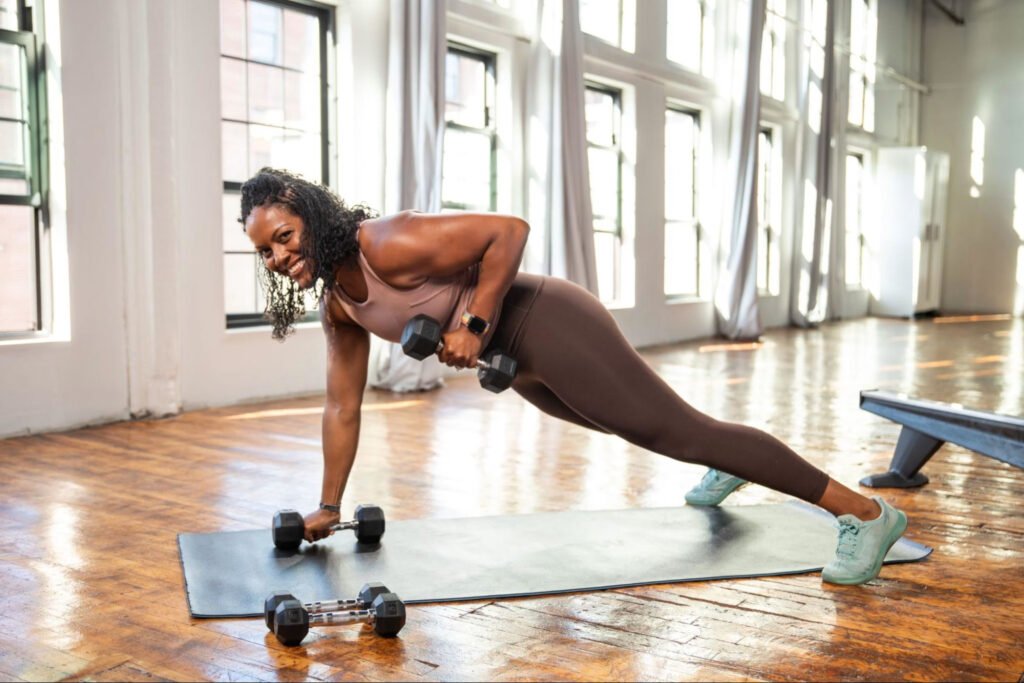
Beyond physical changes, a fitness routine offers powerful mental health benefits. Regular exercise reduces stress, improves mood, enhances sleep quality, and boosts self-confidence. Over time, fitness becomes less about appearance and more about feeling strong, energized, and resilient.
Conclusion
Building a fitness routine is a personal journey, not a one-size-fits-all formula. By setting realistic goals, focusing on balance, and prioritizing consistency, anyone can create a routine that supports long-term health. The best fitness routine is one you can sustain, enjoy, and adapt—turning exercise into a lifelong habit rather than a short-term challenge.