


As the world searches for reliable and low-carbon energy sources, nuclear power remains one of the most debated solutions. Some countries view it as essential for energy security and climate goals, while others are phasing it out due to safety and waste concerns. Today, nuclear energy plays a significant role in the global power mix, with over 30 countries operating nuclear reactors for electricity generation.
The Origins of Civilian Nuclear Power
Civilian nuclear power expanded rapidly in the mid-20th century. Following early scientific breakthroughs and the development of nuclear weapons during World War II, countries began exploring peaceful uses of atomic energy. The first commercial nuclear power plant opened in the 1950s, and by the 1970s and 1980s, nuclear energy was a major part of electricity production in many developed nations.
However, major accidents such as the Chernobyl Nuclear Power Plant explosion in 1986 and the Fukushima Daiichi Nuclear Power Plant meltdown in 2011 reshaped public opinion and national policies across the globe.
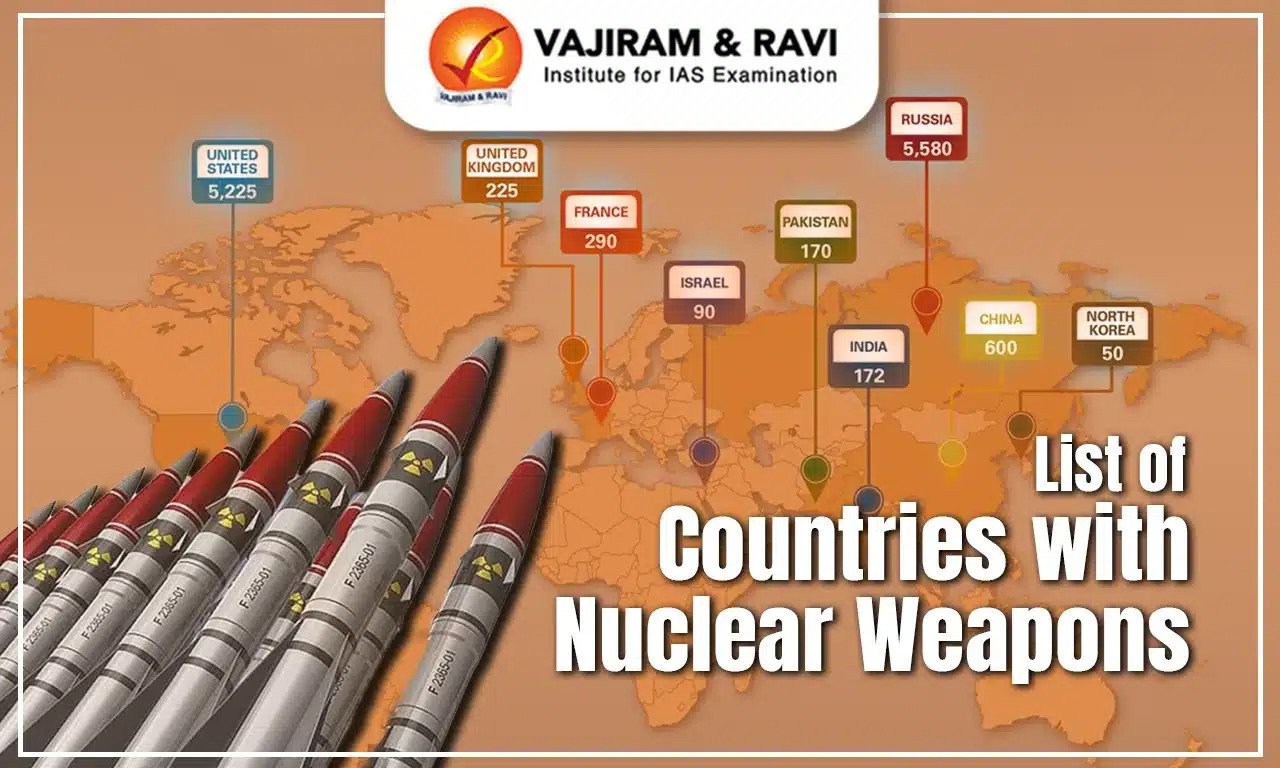
Countries That Rely Heavily on Nuclear Power
🇫🇷 France
France is one of the most nuclear-dependent countries in the world. Roughly two-thirds of its electricity comes from nuclear reactors. After the oil crisis of the 1970s, France invested heavily in nuclear infrastructure to reduce reliance on imported fossil fuels. As a result, it enjoys relatively low-carbon electricity compared to many nations.
🇺🇸 United States
The United States operates the largest number of nuclear reactors globally. Nuclear energy provides about 18–20% of its electricity. While new plant construction has slowed due to high costs and regulatory hurdles, existing plants remain a key part of the country’s clean energy strategy.
🇨🇳 China
China is rapidly expanding its nuclear capacity. As the world’s largest energy consumer, China is investing in nuclear power to reduce coal dependence and cut emissions. Dozens of reactors are currently operational, under construction, or planned.
🇷🇺 Russia
Russia is a major player not only in domestic nuclear energy but also in exporting nuclear technology. Russian companies build and finance nuclear plants in several countries, strengthening geopolitical influence through energy partnerships.
Countries Phasing Out Nuclear Power
Some nations have chosen a different path.
🇩🇪 Germany
Following the Fukushima disaster, Germany decided to phase out nuclear power entirely. By 2023, it shut down its last remaining reactors, shifting focus toward renewable energy sources like wind and solar.
🇯🇵 Japan
After the Fukushima accident, Japan temporarily shut down most of its reactors. Although some have restarted under stricter safety regulations, nuclear power’s role remains politically sensitive.
Emerging Nuclear Nations
Several developing countries are exploring nuclear energy to meet rising electricity demand. Nations in the Middle East and South Asia see nuclear power as a way to diversify energy sources and reduce dependence on oil and gas imports.
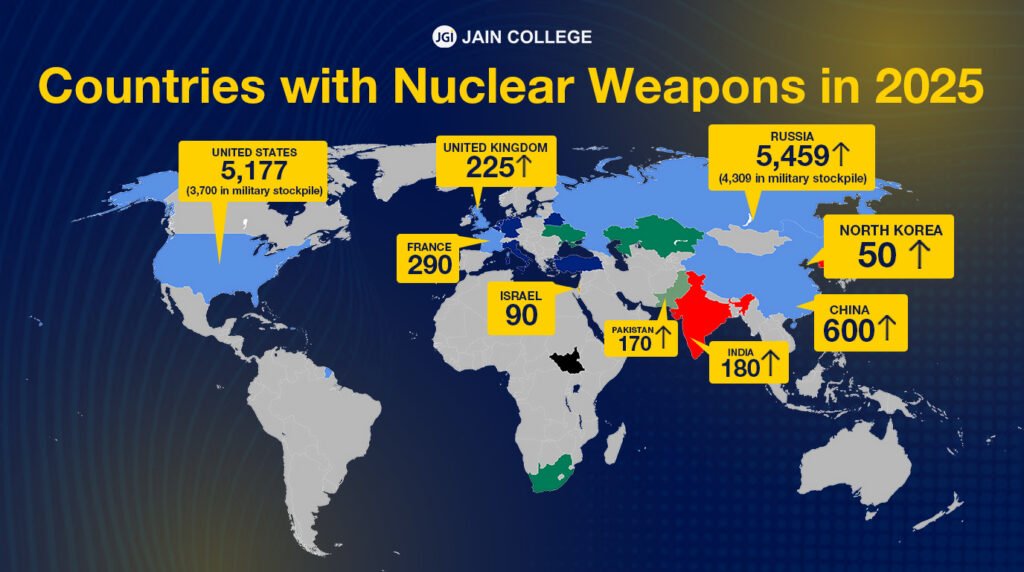
At the same time, global institutions such as the International Atomic Energy Agency monitor nuclear programs to ensure safety and prevent the spread of nuclear weapons.
Advantages of Nuclear Power
- Low Carbon Emissions: Nuclear plants produce minimal greenhouse gases during operation.
- High Energy Output: A small amount of uranium generates a large amount of electricity.
- Energy Security: Countries can reduce dependence on imported fossil fuels.
Challenges and Concerns
- High Construction Costs: Nuclear plants require massive upfront investment.
- Radioactive Waste: Safe storage remains a long-term challenge.
- Safety Risks: Though rare, accidents can have devastating consequences.
The Future of Nuclear Energy
The debate over nuclear power is far from settled. Some experts argue that next-generation technologies, such as small modular reactors (SMRs), could make nuclear safer and more affordable. Others believe renewable energy combined with battery storage will eventually replace nuclear entirely.
What is clear is that nuclear power continues to shape global energy strategies. For some countries, it represents stability and climate progress. For others, it symbolizes risk and environmental concern.
As the world balances energy demand with climate responsibility, nuclear power will remain a central and controversial part of the conversation.