


In late February 2026, the Middle East was thrust into one of its most significant military confrontations in decades when **the United States and Israel launched coordinated strikes against
What Happened on 28 February 2026?
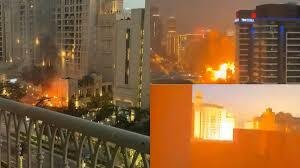
The joint military operation — reported under names like Operation Epic Fury and Operation Lion’s Roar — began with a series of airstrikes and missile launches targeting key military, nuclear infrastructure, and leadership sites across Iran, including Tehran and other major cities. According to multiple reports, explosions rippled across Iranian urban centres as defensive systems were engaged and sirens blared.
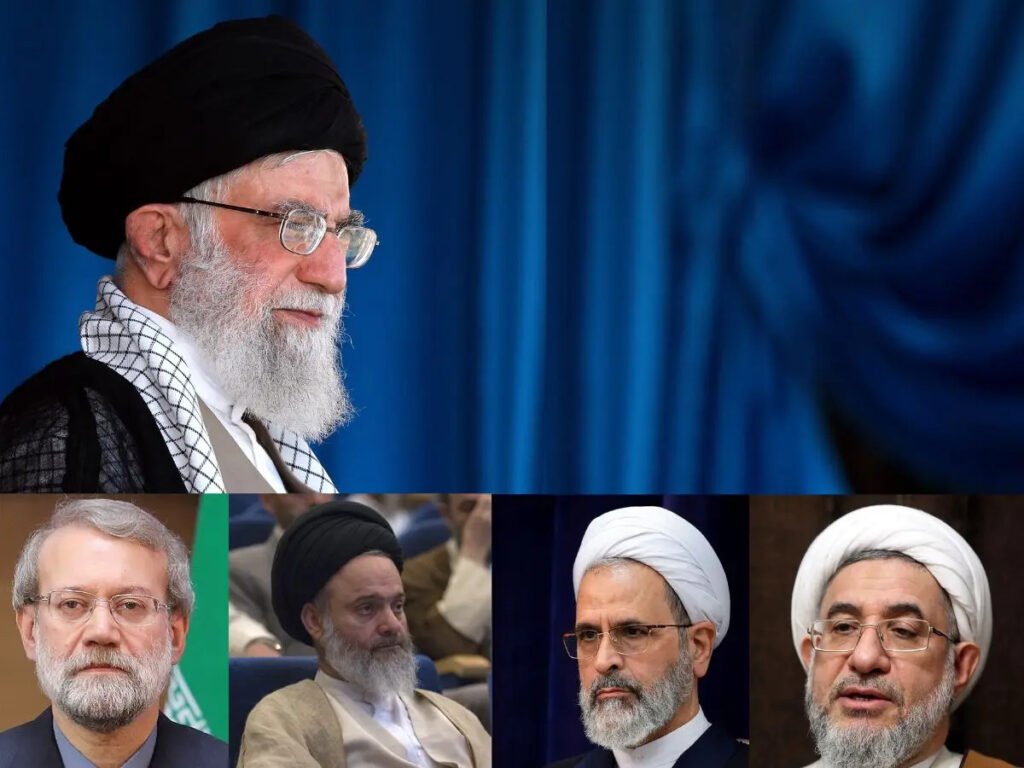
What any military observer notes as unprecedented was the targeting of high-profile political figures within Iran’s leadership. Multiple sources, including Iranian state media later confirmed, reported the death of Supreme Leader Ayatollah Ali Khamenei, a central figure in Iran’s political and religious system. This development sent shockwaves through Tehran and beyond, raising fears of a leadership vacuum and deepening crisis.
Casualties, Civilian Impact, and Retaliation
The strikes reportedly killed more than 200 people in Iran with hundreds more wounded, according to the Iranian Red Crescent. Among the dead was a tragic loss of civilian life when a missile hit a girls’ school in Minab, southern Iran, resulting in significant fatalities. Independent verification of exact casualty figures remains challenging due to limited access and communication blackouts inside Iran, but satellite imagery confirmed extensive damage at key sites.
Iran swiftly responded with retaliatory missile and drone attacks targeting 🇺🇸 U.S. military bases across the Gulf region — including Bahrain, Qatar, and Kuwait — and residential areas in Israel and neighbouring states. The retaliation led to some civilian casualties and infrastructure damage in Dubai and Abu Dhabi as defence systems intercepted incoming projectiles.
Regional and Global Disruptions
The conflict’s fallout has already been felt far beyond the battlefield. Multiple countries in the region shut down airspace, halting commercial flights and disrupting global air travel routes — especially over the Persian Gulf and adjacent Middle Eastern corridors. Airspace closures affected major carriers and left thousands of travellers stranded, underscoring how an intensified conflict can impact global mobility and economies.
Israel itself declared a state of emergency, mobilising reservists and restricting civilian movements amid fears of further missile attacks. Schools and many businesses were closed, reflecting the acute security concerns facing the population.
International Reactions and Diplomacy
The international community reacted with alarm. At an emergency United Nations Security Council meeting, UN Secretary-General António Guterres condemned the violence and emphasised the need for de-escalation, warning that violations of international law and unchecked military escalation risked broader conflict.
Major powers weighed in. 🇷🇺 Russia condemned the strikes as “unprovoked aggression”, urging a halt to violence and advocating diplomatic solutions — although geopolitical tensions between Tehran and Moscow run deep and are shaped by broader security alignments.
Meanwhile, European countries echoed calls for peace, stressing the importance of resumed negotiations on Iran’s nuclear programme and regional security architecture.
Underlying Causes and Broader Implications
The 2026 strikes were not spontaneous. They followed years of unresolved disputes over Iran’s nuclear ambitions, ballistic missile developments, and Western concerns about regional security. Prior attempts at diplomacy — including nuclear negotiations — had failed to bridge key differences, contributing to a breakdown in trust and increasing pressure on Western governments to act.
This conflict represents not just a bilateral dispute, but a profound shift in Middle East geopolitics. Its direct impacts — from civilian casualties to airspace closures and economic uncertainty — are immediate. Yet the longer-term implications could reshape power relations in West Asia, influence global energy markets (especially oil and gas prices), and affect international alliances and security agreements.
Conclusion: A Region at a Crossroads
The U.S.–Israel strikes on Iran in February 2026 have opened a new chapter in Middle Eastern conflict. With thousands affected, leadership uncertainty in Tehran, and widespread regional instability, the path ahead is fraught with danger. The crisis highlights the limits of military solutions and underscores the urgent need for robust diplomatic engagement to prevent further escalation and safeguard millions of lives both within the region and beyond.
If you’d like, I can provide a timeline of events or a breakdown of how this conflict affects global energy, markets, and diplomacy.