


This Content Is Only For Subscribers
Fashion is no longer just about trends, seasons, or runway looks. A new wave of startups is reshaping how we think about clothing—from how it’s made and sold to how long it lasts and what it represents. These innovative brands are challenging fast fashion, embracing technology, and putting sustainability and individuality at the center of style. Here’s a look at some cool fashion startups that are changing perspectives and redefining the future of clothes.
Rethinking Sustainability and Materials
One of the biggest shifts in fashion startups is the focus on sustainability. Brands like Pangaia have gained attention for using eco-friendly materials such as recycled fibers, seaweed-based fabrics, and plant-based dyes. These startups prove that fashion can be stylish without harming the planet.
Another standout is Allbirds, which built its identity around natural materials like merino wool, eucalyptus fibers, and sugarcane-based soles. Although known primarily for footwear, Allbirds has influenced how consumers think about material transparency and environmental impact across the fashion industry.
Made-to-Order and Less Waste
Startups like Unspun and Son of a Tailor are tackling one of fashion’s biggest problems: overproduction. Instead of mass-producing clothing that may never be sold, these companies create garments only after a customer places an order. This approach dramatically reduces waste and results in better-fitting, longer-lasting clothes.
Unspun, for example, uses body-scanning technology to create custom-fit jeans, challenging the idea that denim has to follow standard sizing. These startups shift fashion from disposable to intentional.
Technology Meets Fashion
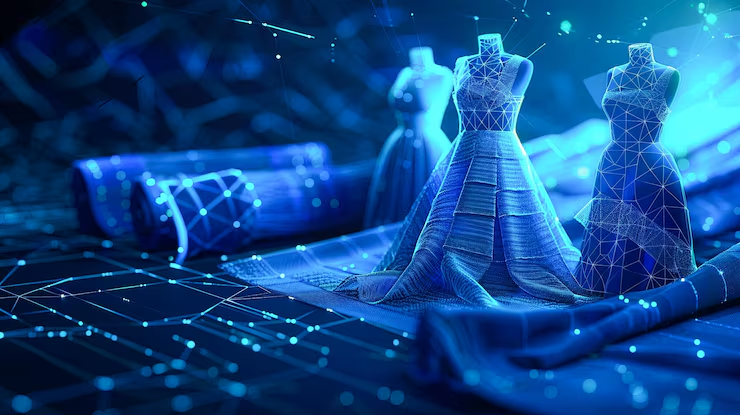
Technology is playing a growing role in how we experience clothing. The Fabricant is a digital fashion startup creating garments that exist entirely online. These digital-only designs are worn in virtual spaces, social media, and gaming environments. While this concept may sound futuristic, it raises important questions about consumption, identity, and creativity in a digital world.
Another tech-forward brand, DressX, allows users to buy virtual outfits to wear in photos or online spaces. This reduces physical consumption while offering a new form of self-expression, especially for younger, digitally native audiences.
Secondhand, Rental, and Circular Fashion
Startups are also changing how we own clothes. Platforms like Depop and Vinted have made secondhand fashion trendy, social, and accessible. These apps allow users to buy and sell pre-loved clothing, extending the life cycle of garments and reducing waste.
Meanwhile, rental-based startups such as Rent the Runway have transformed how people approach special-occasion and everyday wear. Renting instead of buying encourages variety without long-term clutter and challenges the idea that new clothes are always necessary.
Ethical Production and Transparency
Consumers today care more than ever about who makes their clothes. Startups like Everlane built their brand on “radical transparency,” openly sharing information about factories, labor costs, and pricing. This approach empowers shoppers to make informed decisions and holds brands accountable.
Similarly, Veja has become a symbol of ethical fashion by focusing on fair trade practices, sustainable materials, and transparent supply chains—without sacrificing style.
Fashion as Identity and Community
Many new fashion startups emphasize community over mass appeal. Brands like Telfar have created loyal followings by promoting inclusivity and accessibility. Telfar’s approach challenges luxury fashion norms and proves that cultural relevance can matter more than exclusivity.
These startups are not just selling clothes—they’re building movements, values, and shared identities.
Final Thoughts
Cool fashion startups are changing more than wardrobes; they’re changing mindsets. By prioritizing sustainability, technology, ethics, and creativity, these brands challenge traditional fashion systems and encourage consumers to think differently about what they wear. As these startups continue to grow, they offer a hopeful vision of a fashion industry that’s smarter, more responsible, and far more inspiring than ever before.