


This Content Is Only For Subscribers
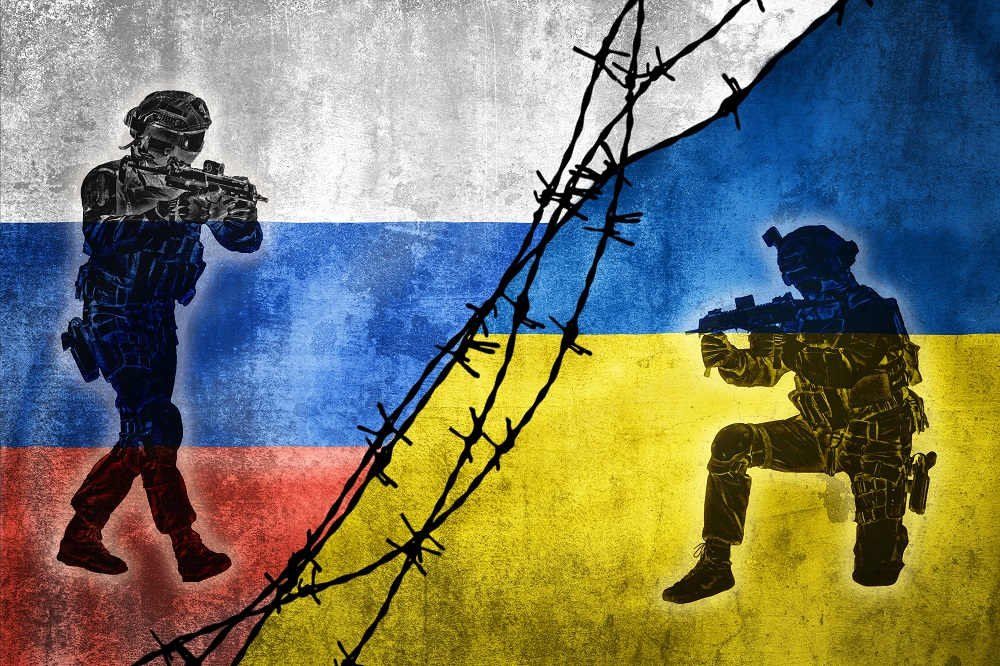
The Russia–Ukraine war has become one of the most significant events in Europe since the end of the Cold War. What began as a regional conflict has had far-reaching consequences, affecting politics, security, the economy, and everyday life across the continent. More than just a war between two countries, it is reshaping how Europe sees itself and its future.
One of the most visible changes is in European security and defense. For many years, several European countries reduced military spending, believing large-scale war on the continent was unlikely. The conflict in Ukraine has shattered that assumption. Countries such as Germany, Poland, and the Baltic states have increased defense budgets and modernized their armed forces. NATO has also gained renewed importance, with member states strengthening cooperation and coordination. Some historically neutral countries have reconsidered their stance, showing how deeply the war has altered Europe’s security mindset.
The war has also transformed Europe’s relationship with energy. Before the conflict, many European nations depended heavily on Russian oil and gas. When the war disrupted supplies and sanctions were imposed, Europe faced an energy crisis. Governments were forced to quickly find alternatives, including importing gas from other regions and investing more in renewable energy. While this transition has been costly and challenging, it has pushed Europe toward greater energy independence and accelerated long-term climate goals.
Economically, the effects of the war have been felt across Europe. Rising energy prices led to higher inflation, increasing the cost of living for millions of people. Governments introduced subsidies and financial support to help households and businesses cope. At the same time, defense and security industries expanded, redirecting public spending priorities. The war has shown how interconnected European economies are and how conflicts can disrupt global supply chains.
Another major impact has been migration. Millions of Ukrainians fled their homes and sought refuge in European countries. Unlike previous refugee crises, many European governments responded quickly by opening borders and providing access to housing, education, and healthcare. This response highlighted both Europe’s capacity for solidarity and the challenges of integration. The presence of Ukrainian refugees has influenced labor markets, schools, and social services, shaping demographic and social discussions across the continent.
Politically, the war has strengthened European unity in some ways while testing it in others. The European Union acted swiftly to impose sanctions on Russia and provide financial and military support to Ukraine. These actions showed a rare level of coordination among member states. However, disagreements over energy policy, defense spending, and the extent of military aid have also revealed divisions. The war has forced European leaders to balance national interests with collective responsibility.
The conflict has also reshaped Europe’s global role. Europe is now more active in international diplomacy and security discussions, working closely with allies such as the United States while also trying to assert its own strategic independence. The war has emphasized the importance of defending democratic values and international law, themes that now play a larger role in European foreign policy.
In conclusion, the Russia–Ukraine war is not only changing Ukraine’s future but also redefining Europe’s direction. It has altered how European countries think about security, energy, economics, migration, and global responsibility. While the long-term outcome of the war remains uncertain, its impact on Europe is already clear. The continent is emerging more aware of its vulnerabilities, more united in some areas, and more determined to shape a stable and secure future.