

A wave of unrest sweeping across Iran has entered its most intense phase in years, driven by deep economic stress, political frustration, and a harsh government crackdown. What began as protests over inflation and currency collapse in late December 2025 has morphed into a nationwide crisis that is reshaping life inside Iran and drawing global attention.
📊 Scale of Protest and Violence
The unrest initially started on December 28, 2025, as demonstrations erupted over the collapsing Iranian rial, soaring prices for food and basic goods, and frustration with entrenched leadership. Within days, protests had spread to all 31 provinces, involving shopkeepers, workers, students, and everyday citizens fed up with deteriorating living conditions.
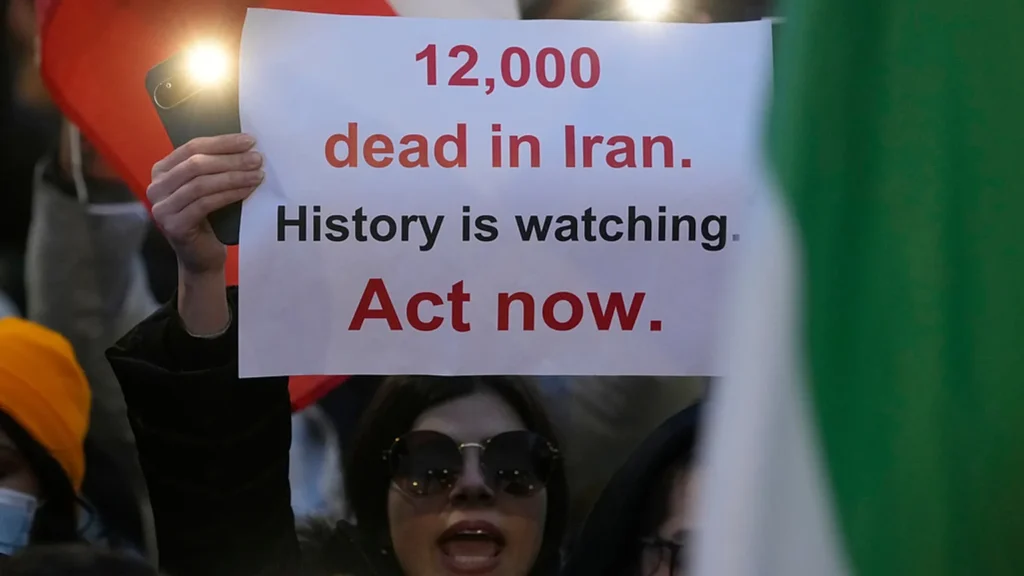
The government’s response has been exceptionally forceful. Official figures cited by Iranian authorities report that at least 5,000 people have been confirmed dead during the crackdown, including around 500 security personnel, though independent estimates vary and the true numbers remain difficult to verify because of restricted reporting conditions.
Human rights groups, however, have indicated that both deaths and arrests are significantly higher, with thousands reportedly detained and many more injured. The scale of violence makes this one of the bloodiest recent episodes of unrest in Iran.
📉 What Triggered the Crisis?
The immediate causes of the unrest are rooted in the economy:
- Inflation surged when the Iranian rial collapsed, sharply eroding purchasing power.
- Food prices and the cost of basic necessities jumped, pushing many households into hardship.
- Decades of sanctions targeting Iran’s oil sector drained government revenues, weakening public services and economic stability.
These economic pressures turned individual grievances into collective anger, fueling widespread demonstrations and social unrest. Initially focused on economics, the protests rapidly expanded into broader calls for political accountability and change.
🌀 Government Crackdown and Communication Blackout
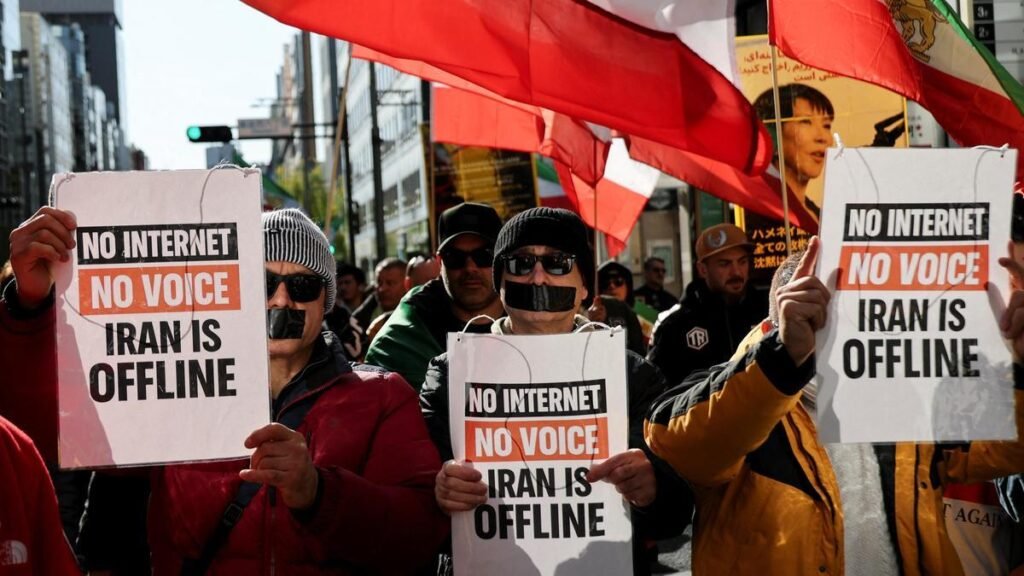
To suppress dissent, the Iranian government imposed a near-total internet and communications blackout starting in early January 2026. This move severely limited independent media coverage and blocked many ordinary citizens from communicating or sharing information online — creating one of the most restricted digital environments Iran has seen in years.
Alongside the shutdown, security forces — including the Islamic Revolutionary Guard Corps (IRGC) and national police — have used live ammunition, tear gas, and mass arrests to deter protesters. Reports from rights organizations detail incidents of unlawful force, detentions, and alleged human rights abuses, including against minors and peaceful demonstrators.
🗣️ Political Rhetoric and Leadership Response
Iran’s leadership, including Supreme Leader Ayatollah Ali Khamenei, has framed the unrest as influenced by external forces and “enemies” of the state. Government media and officials have blamed foreign intervention — particularly by the United States and Israel — for allegedly stoking unrest, even as many Iranians see the protests as rooted in domestic economic and political dissatisfaction.
This narrative has hardened the government’s stance and justified the severe crackdown in the name of national security.
🌍 Global and Diaspora Reactions
Despite internal information controls, news of the unrest has spread globally, prompting demonstrations of solidarity abroad. In Los Angeles, for example, thousands gathered in support of Iranian protesters, waving historic flags and calling for democratic reforms — a sign of widespread diaspora engagement.
International human rights groups and foreign governments have also called for restraint, decrying the use of excessive force and urging respect for basic rights, even as diplomatic responses remain cautious.
🔮 Where Things Stand Now
As of mid-January 2026, street protests have largely subsided under heavy security presence, but the underlying issues remain unresolved. Economic hardship persists, political tensions are high, and many families still await news of missing loved ones. The internet blackout continues to restrict movement and access to information, though some limited connectivity may return if authorities choose to ease restrictions.
The situation in Iran is fluid and fraught with uncertainty. Whether this period of crisis leads to meaningful change, entrenched repression, or a prolonged stalemate will depend on a complex interplay of domestic pressures and international diplomacy.
📌 Why This Matters
Iran’s ongoing crisis highlights the profound social and political strains tied to economic collapse, long-standing governance issues, and the challenge of balancing public demand for change against state power. What began as an economic protest has revealed deeper fractures in Iranian society — and the world continues to watch closely as this pivotal moment unfolds.