


The 68th Annual Grammy Awards was more than a star-studded gala — it was a night that celebrated global sounds, broke historical barriers, and spotlighted artists who have shaped the music of today. Hosted for the sixth and final time by Trevor Noah, the ceremony honored recordings released between August 31, 2024 and August 30, 2025, delivering unforgettable wins, moments and performances.
🏆 Record-Breaking Wins and Historic Firsts
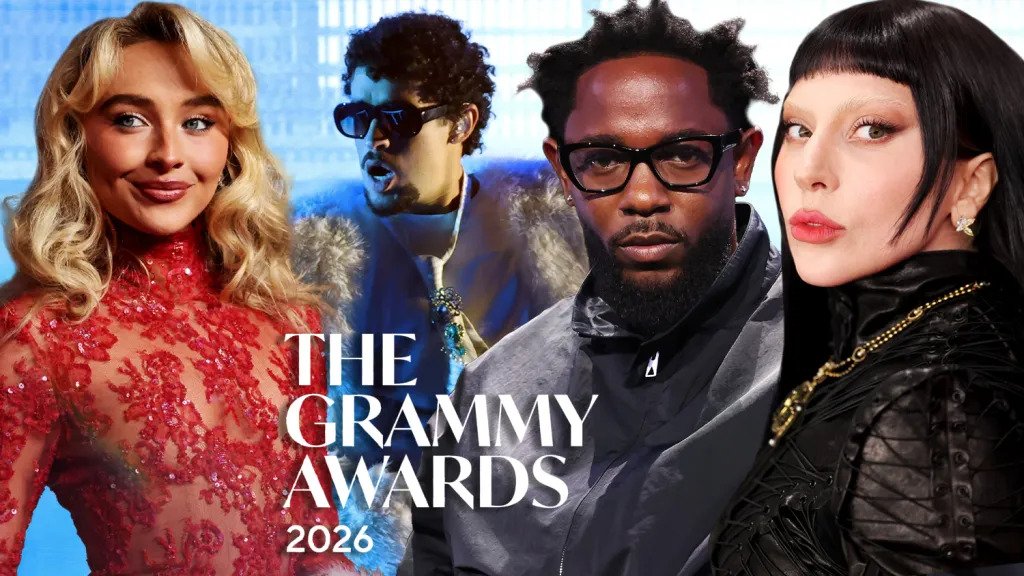
The 2026 Grammys will be remembered for the records shattered and the milestones achieved. Central to the night was Kendrick Lamar — who walked away with five Grammy Awards, the most of any artist this year. With this haul, Lamar extended his legacy by becoming the most-awarded rapper in Grammy history, surpassing Jay-Z’s previous record, a feat that reflects not just commercial success but cultural influence.
Another historic moment came when Bad Bunny won Album of the Year for Debí Tirar Más Fotos. This victory marked a milestone: it was the first time a Spanish-language album has ever claimed the Recording Academy’s top honor. Bad Bunny’s acceptance speech — delivered primarily in Spanish — also turned political, as he dedicated his win to immigrants and celebrated the cultural contributions of Latin music.
🎤 Big Four Winners
The night’s most anticipated categories underscored the diversity and global reach of today’s music scene:
- Album of the Year: Debí Tirar Más Fotos — Bad Bunny
- Record of the Year: “Luther” — Kendrick Lamar & SZA
- Song of the Year: “Wildflower” — Billie Eilish
- Best New Artist: Olivia Dean
These wins bridged genres and styles — from Bad Bunny’s genre-blurring reggaeton and Latin trap to Kendrick Lamar’s incisive rap and Billie Eilish’s haunting pop lyricism — showcasing music’s evolving landscape.
🌍 Celebrating Global and Genre Diversity
The 2026 Grammys didn’t just highlight established superstars — they also recognized emerging corners of the music world. For the first time, a song associated with K-pop (“Golden” from KPop Demon Hunters) won a Grammy for Best Song Written for Visual Media. This accolade is a significant breakthrough for K-pop and global pop culture, marking a new chapter in the genre’s international recognition.
Meanwhile, longtime genre favorites continued to shine. Lady Gaga reaffirmed her pop powerhouse status with major wins in Best Pop Vocal Album and Best Dance-Pop Recording, proving her continued relevance in an ever-changing industry.
🎤 Performances and Tributes
In addition to awards, the Grammy stage was electrifying. Performers ranged from rising stars showcasing their fresh sounds to established names delivering polished, crowd-pleasing sets. A memorable segment featuring all the Best New Artist nominees — including Addison Rae, Lola Young, Katseye, The Marías and more — celebrated the future of music.
There were also heartfelt tributes and special segments honoring music legends and influential figures, creating a sense of continuity between music’s past, present and future.
🗣️ Voices Beyond the Music
The evening was as much about cultural expression as it was about awards. Several artists used their acceptance speeches to address social and political issues. Kehlani’s impassioned moment included a candid critique of immigration policy, while other artists highlighted themes of identity, freedom and belonging.
These powerful moments underscored how music and social commentary are increasingly interwoven — with artists using one of the world’s most visible stages to amplify messages that resonate far beyond the industry.
🌟 Looking Ahead
The 2026 Grammys were a celebration of artistry, innovation and cultural influence. With record-breaking achievements, genre diversity and historic firsts, this year’s ceremony reflected music’s global evolution and its power to unite across borders and languages. As the industry looks ahead to next year, the echoes of these wins and performances will undoubtedly influence artists and fans alike around the world.