


This Content Is Only For Subscribers
Pixar is known worldwide for its visually stunning animation, heartfelt storytelling, and unforgettable characters. But beyond the colorful worlds and emotional narratives lies another powerful element that brings Pixar movies to life: studio music. From sweeping orchestral scores to subtle background melodies, music plays a crucial role in shaping the emotional depth and immersive experience of Pixar’s animated films.
The Power of Music in Storytelling
Music has always been a vital storytelling tool in cinema, but Pixar uses it with exceptional precision. Studio music helps guide the audience’s emotions, signaling moments of joy, tension, sadness, or triumph without the need for dialogue. Whether it’s a quiet piano note during an emotional scene or a full orchestral swell during an adventure sequence, Pixar’s music enhances storytelling in ways that visuals alone cannot.
Pixar understands that animation, unlike live-action, relies heavily on sound to give life to characters and environments. Music fills the gaps, making imaginary worlds feel real and emotionally grounded.
Iconic Scores That Define Pixar Films
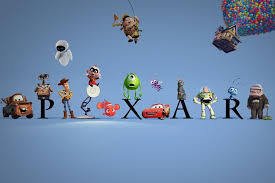
Many Pixar movies are instantly recognizable by their music. Films like Toy Story, Finding Nemo, Up, and Inside Out feature scores that have become iconic in their own right. These compositions are carefully crafted to match the tone and personality of each film.
For example, the gentle and nostalgic themes in Toy Story reflect childhood wonder and friendship, while the adventurous score of Finding Nemo mirrors the vastness and mystery of the ocean. In Up, the opening musical sequence tells an entire life story without words, proving how powerful studio music can be when used creatively.
Collaboration with Renowned Composers
Pixar works closely with some of the most respected composers in the film industry. These collaborations allow the studio to create music that aligns perfectly with its storytelling vision. Composers often work alongside directors and animators from the early stages of production, ensuring that the music evolves with the story.
This collaborative process ensures that every musical cue feels intentional. The result is a seamless blend of animation and sound, where music doesn’t just accompany the visuals—it becomes an essential character in the film itself.
Music as an Emotional Connector

One of Pixar’s greatest strengths is its ability to connect with audiences of all ages, and music plays a major role in that connection. Studio music helps translate complex emotions into universally understood feelings. A child may not fully grasp the deeper themes of loss, growth, or identity, but the music allows them to feel those emotions.
This emotional accessibility is why Pixar movies resonate with both children and adults. The music bridges generational gaps, making the viewing experience deeply personal and memorable for everyone.
Enhancing Character Identity
Pixar often uses musical themes to define characters. Specific melodies or instruments are associated with particular characters or ideas, helping audiences subconsciously recognize emotional shifts or character development. As characters grow or change, their musical themes may evolve as well, reflecting their journey.
This technique adds depth to animated characters, making them feel more human and relatable despite their animated form.
From Studio to Global Impact
Pixar’s studio music doesn’t stop at the movie screen. Soundtracks from Pixar films are widely streamed, performed in concerts, and celebrated by fans around the world. These musical scores extend the life of the films, allowing audiences to relive emotions long after the credits roll.
Music has become an integral part of Pixar’s brand, reinforcing its reputation for emotional storytelling and artistic excellence.
Conclusion
Pixar’s animated movies are a perfect example of how music can elevate storytelling. Through carefully composed studio music, Pixar transforms animated visuals into emotionally rich experiences that stay with audiences for years. By blending powerful scores with compelling narratives, Pixar doesn’t just create movies—it creates memories. The studio’s commitment to music proves that sound, when used thoughtfully, has the power to truly bring animation to life.