

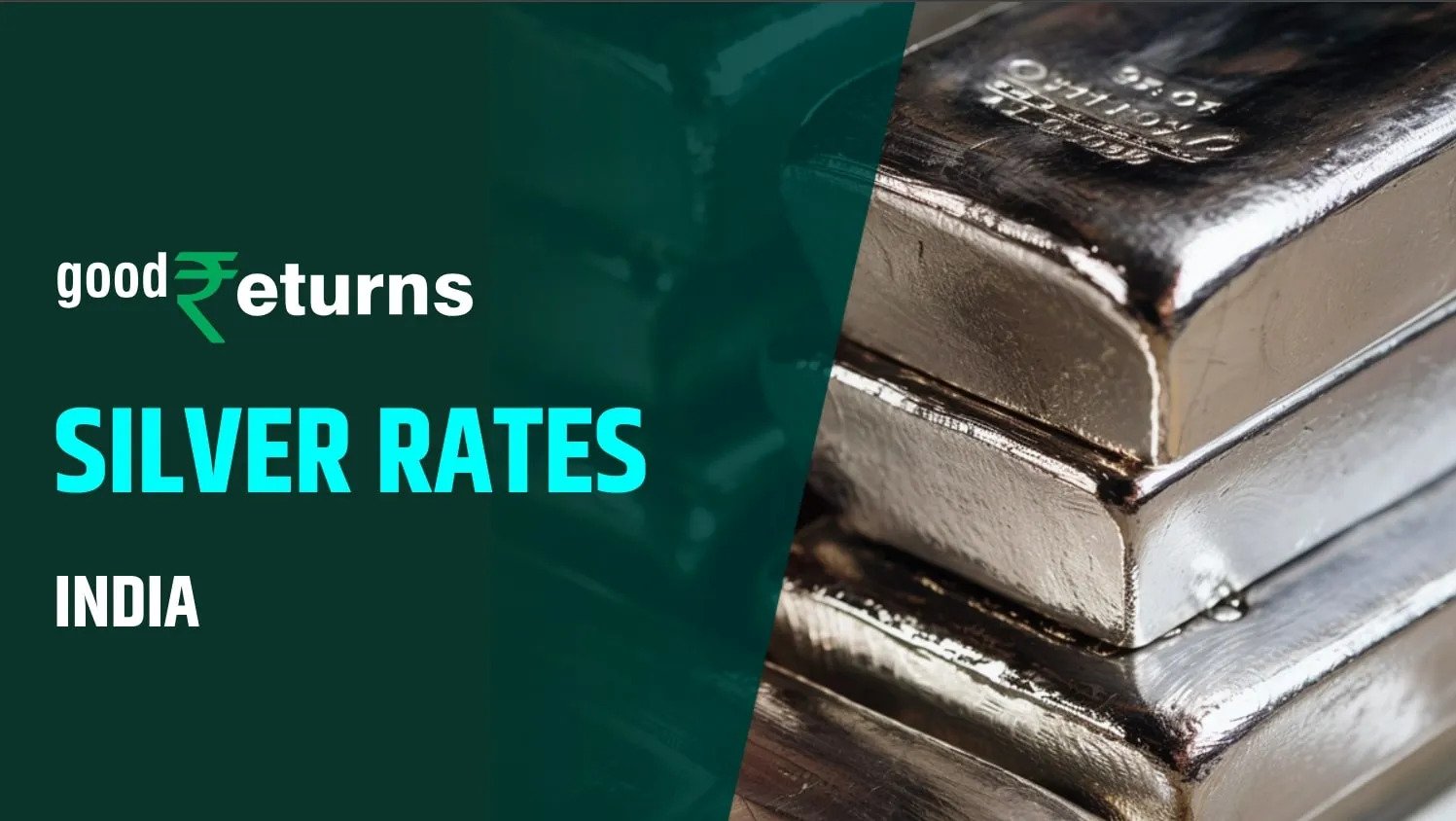
Silver has emerged as one of the standout performers in global commodity markets, catching many investors by surprise with a sharp and sustained price rally. Long considered the quieter sibling of gold, silver is now commanding attention as prices climb to levels not seen in years. This surge is not driven by speculation alone—it reflects a powerful mix of economic uncertainty, industrial demand, supply constraints, and shifting investor behavior.
So, what exactly is fueling silver’s unexpected rise?
Economic Uncertainty and Safe-Haven Demand
Like gold, silver benefits from periods of economic instability. Rising geopolitical tensions, concerns about slowing global growth, and volatile equity markets have pushed investors toward safe-haven assets. While gold typically leads this movement, silver often follows—sometimes with greater price swings due to its smaller and more volatile market.
Weak economic indicators, including soft labor data and uneven growth signals from major economies, have reinforced fears of recession or prolonged stagnation. In such environments, investors seek assets that can preserve value, and silver’s historical role as a store of wealth has regained importance.
Rising Industrial Demand, Especially From Green Energy
What truly sets silver apart from gold is its dual identity—it is both a precious metal and a critical industrial material. This has made silver especially attractive in today’s economy.
Silver is essential in:
- Solar panels
- Electric vehicles
- Electronics and semiconductors
- Medical devices
The global push toward renewable energy has dramatically increased silver demand, particularly from the solar industry. As countries invest heavily in clean energy infrastructure to meet climate goals, silver consumption continues to rise. This industrial demand provides a strong fundamental base for silver prices, making the rally more sustainable than purely speculative moves.
Tight Supply and Mining Challenges
While demand is rising, silver supply has not kept pace. Silver mining faces several structural challenges:
- Many silver mines are aging
- New mining projects take years to develop
- Environmental regulations and high costs limit rapid expansion
Additionally, a significant portion of silver production comes as a byproduct of mining other metals, meaning output cannot easily be increased in response to higher silver prices alone. This imbalance between growing demand and constrained supply has created upward pressure on prices.
Interest Rate Expectations and Monetary Policy Shifts
Precious metals tend to perform well when interest rates are expected to fall. Silver does not generate interest, so lower yields on bonds and savings instruments reduce the opportunity cost of holding it.
As central banks signal caution and markets anticipate possible rate cuts to support slowing economies, silver has become more attractive to investors. Even expectations of easier monetary policy can be enough to drive prices higher, and silver has benefited significantly from this outlook.
Investor Psychology and Momentum Trading
Market momentum has also played a role in silver’s surge. Once prices broke through key resistance levels, technical traders and short-term investors entered the market, amplifying gains.
Silver is known for sharper price movements compared to gold, and rallies can accelerate quickly once sentiment turns positive. This psychological element—fear of missing out combined with bullish technical signals—has added fuel to the rally.
Silver’s Appeal as “Affordable Gold”
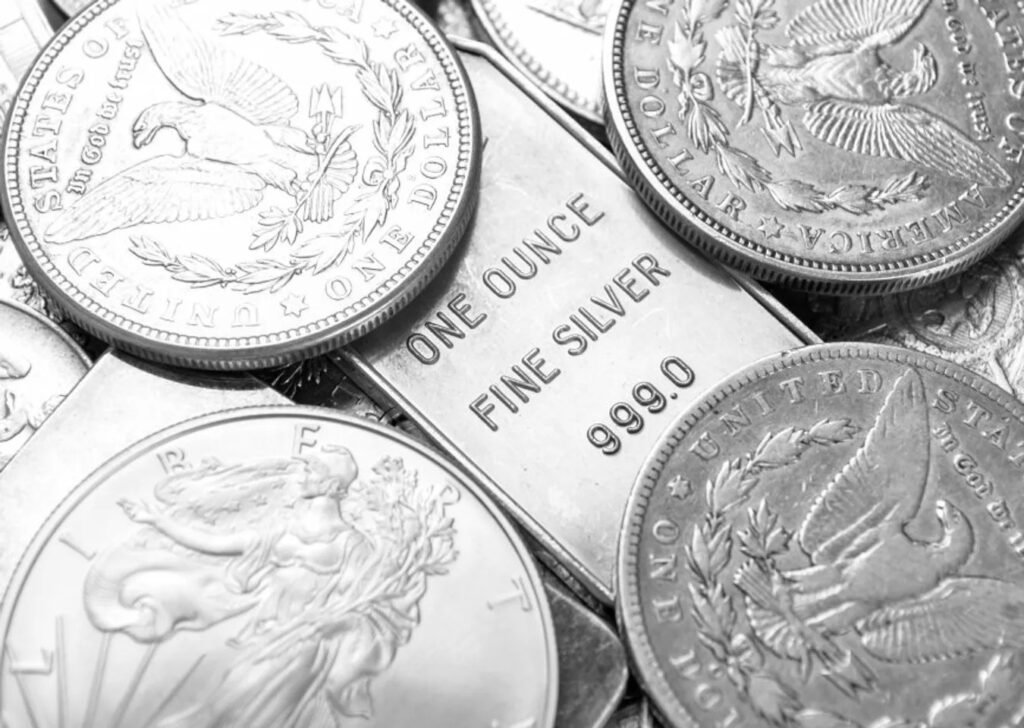
Another factor behind silver’s popularity is its relative affordability. Compared to gold, silver is accessible to a wider range of retail investors. During times of economic stress, individuals looking for a tangible asset often turn to silver as a lower-cost entry point into precious metals.
This growing retail participation, combined with institutional interest through exchange-traded funds and futures markets, has increased liquidity and demand.
Conclusion
Silver’s surprise surge is the result of multiple forces converging at the same time. Economic uncertainty, strong industrial demand—especially from renewable energy—tight supply conditions, favorable interest rate expectations, and powerful market momentum have all contributed to the rally.
Unlike short-lived speculative spikes, this move is grounded in real-world demand and macroeconomic trends. Whether silver continues its upward trajectory will depend on how these factors evolve, but one thing is clear: silver is no longer playing a supporting role—it has become a central player in today’s global commodity story.
For investors and market watchers alike, silver’s rally is a reminder that sometimes the most overlooked assets can deliver the biggest surprises.