


Every winter, large parts of India wake up to misty mornings, blurred skylines, and biting cold. Dense fog and chilly temperatures become a daily reality, especially across northern and central regions. While this phenomenon may feel routine, the science behind India’s winter fog and cold waves is complex and fascinating. Understanding what causes these conditions helps explain why winters can sometimes feel harsher than expected.
At the heart of India’s winter chill is a process known as radiational cooling. During winter nights, skies are often clear and winds are calm. This allows the Earth’s surface to lose heat rapidly after sunset. As the ground cools, the air close to it also becomes colder. When the temperature of this air drops to the dew point, moisture in the air condenses into tiny water droplets, forming fog near the surface. This type of fog, called radiation fog, is the most common during Indian winters.
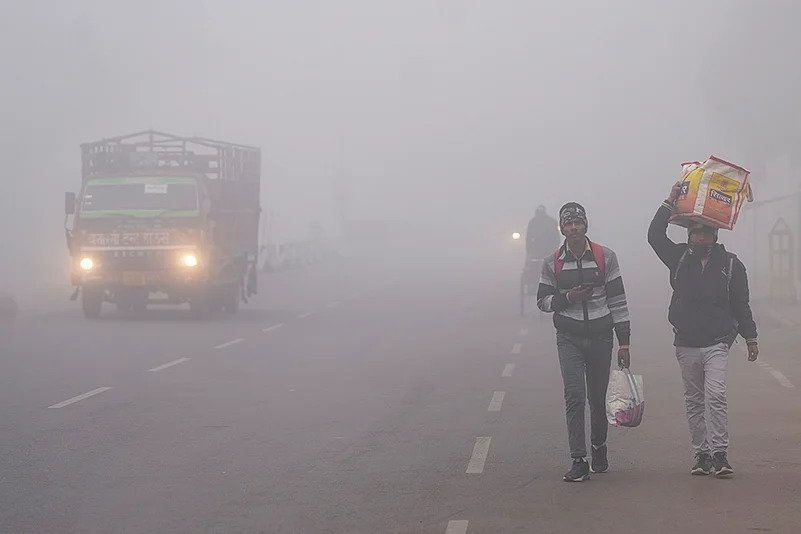
Cold waves are closely connected to this process. In winter, cold air masses from northern regions move southward into the Indian subcontinent. These winds lower temperatures significantly, especially during the night and early morning. When cold air settles over plains such as the Indo-Gangetic belt, it creates ideal conditions for fog formation. The combination of low temperatures, high moisture levels, and calm winds results in thick fog that can persist for hours.
Geography also plays an important role. Northern India’s flat plains allow cold air to spread easily and remain trapped close to the ground. Unlike hilly regions, where air circulates more freely, plains experience temperature inversions during winter. A temperature inversion occurs when a layer of warmer air sits above colder air near the ground, preventing vertical air movement. This traps moisture and pollutants close to the surface, intensifying fog and reducing visibility.
Urban pollution further worsens winter fog. Cities release large amounts of particulate matter from vehicles, industries, and construction. These particles act as condensation nuclei, giving water vapor more surfaces to cling to. As a result, fog becomes denser and lasts longer in urban areas than in rural ones. This is why cities like Delhi often experience severe fog combined with smog, creating hazardous air quality during winter mornings.
Humidity is another key factor. Even though winters are generally drier than monsoons, moisture from rivers, irrigation, and nearby water bodies adds enough humidity to support fog formation. Early morning conditions, when temperatures are at their lowest and humidity is highest, are especially favorable for fog development.
Fog does more than just reduce visibility—it also affects temperature. Thick fog blocks sunlight from reaching the ground, slowing daytime warming. This keeps temperatures low throughout the day, extending the cold spell. In severe cases, this can lead to prolonged cold waves, where temperatures remain below normal for several consecutive days.
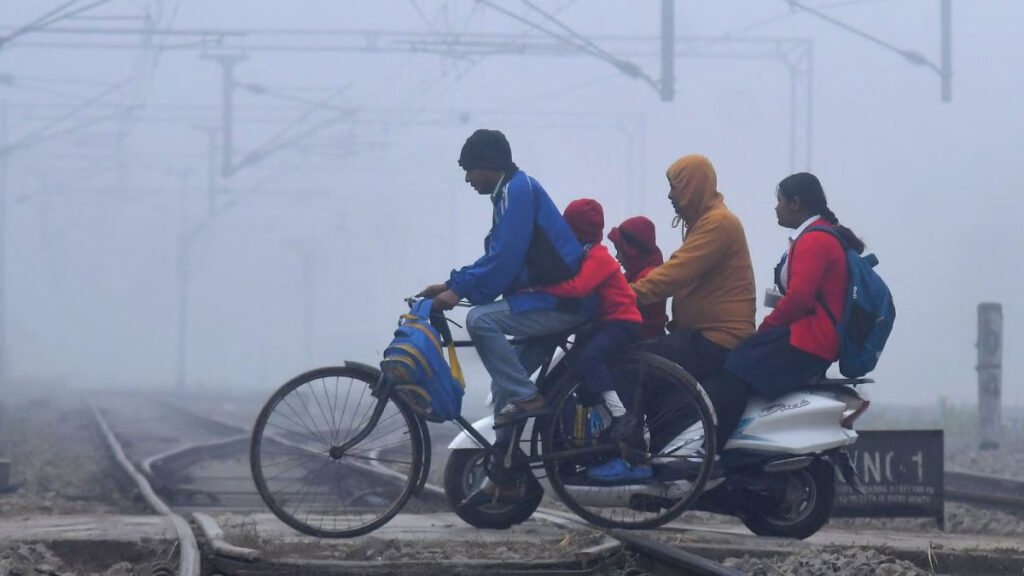
Climate scientists note that while fog and cold waves are natural winter features, their intensity and duration have increased in recent years. Changing weather patterns, rising pollution levels, and shifting wind systems contribute to more frequent dense fog events. These changes highlight the need for better forecasting and early-warning systems to reduce disruptions to transportation, agriculture, and daily life.
From delayed trains and grounded flights to increased health risks, winter fog affects millions of people across India. Respiratory illnesses tend to rise during this season, and road accidents become more common due to poor visibility. Understanding the science behind these conditions helps authorities and citizens prepare better, whether by issuing timely advisories or adjusting daily routines.
In conclusion, when India wakes up to fog, it is the result of a delicate balance between temperature, moisture, geography, and human activity. The winter chill and foggy mornings are not random events but outcomes of predictable atmospheric processes. As winters continue to evolve, understanding this science becomes increasingly important for adapting to India’s changing climate and ensuring safety during the coldest months of the year.