


When war dominates headlines, the focus often falls on military strategies, political leaders, and territorial gains. Yet behind these narratives lies a deeper and more enduring reality—the daily struggles of civilians caught in conflict zones. For millions of ordinary people, war is not an abstract concept but a constant presence that shapes every aspect of life, from safety and health to education and emotional well-being.
Daily Life Under Constant Threat
For civilians living in conflict zones, daily life is defined by uncertainty and fear. Simple routines such as going to work, attending school, or shopping for food become dangerous tasks. Airstrikes, shelling, or armed clashes can erupt without warning, forcing families to adapt quickly or seek shelter for extended periods.
Many civilians live with the constant stress of not knowing whether they or their loved ones will survive the day. This persistent fear erodes a sense of normalcy, making long-term planning nearly impossible and turning survival into a daily priority.
Displacement and Loss of Home
One of the most visible human costs of war is mass displacement. Civilians are often forced to flee their homes to escape violence, leaving behind property, livelihoods, and community ties. Some become internally displaced within their own countries, while others cross borders as refugees, seeking safety in unfamiliar places.
Displacement brings new hardships. Families may live in overcrowded camps with limited access to clean water, sanitation, and healthcare. The loss of home also means the loss of identity and stability, especially for children who grow up without a permanent sense of belonging.
Impact on Health and Healthcare Access
War severely disrupts healthcare systems. Hospitals and clinics may be damaged or destroyed, medical supplies become scarce, and healthcare workers are often forced to flee or operate under extreme risk. Civilians with chronic illnesses struggle to receive treatment, while injuries caused by violence overwhelm limited medical facilities.
Beyond physical health, mental health issues are widespread but often overlooked. Trauma, anxiety, depression, and post-traumatic stress disorder affect civilians of all ages. Children exposed to violence may carry emotional scars long into adulthood, shaping their future in profound ways.
Education Interrupted
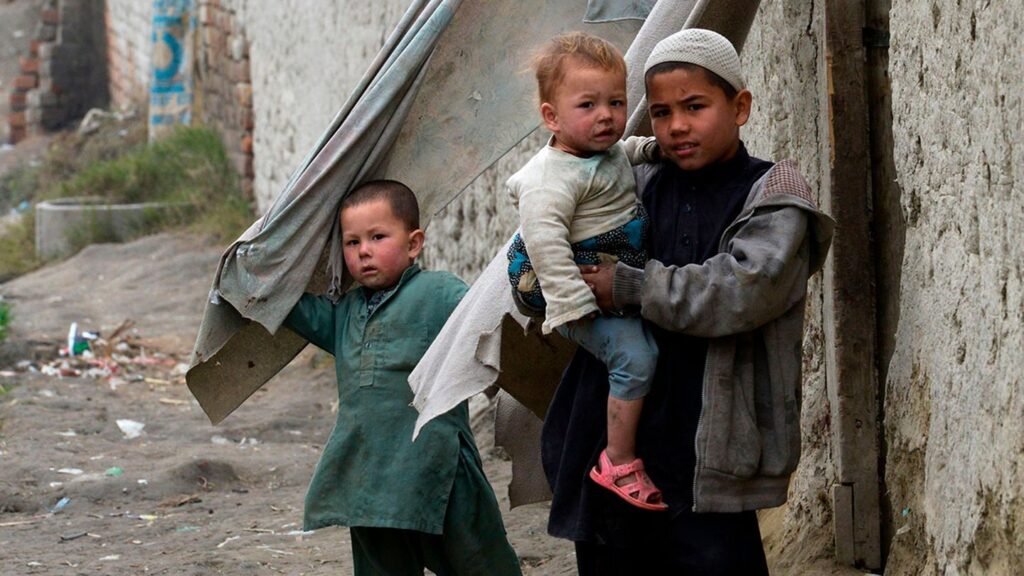
Conflict zones often see schools closed or destroyed, depriving children of education. Even when schools remain open, safety concerns, displacement, and economic hardship prevent many children from attending regularly. This disruption creates a lost generation at risk of limited opportunities and long-term poverty.
Education is more than learning—it provides structure, hope, and a sense of normalcy. When access to education disappears, the impact extends far beyond the classroom, affecting entire communities and future development.
Economic Hardship and Survival
War devastates local economies. Businesses shut down, jobs disappear, and basic goods become scarce or unaffordable. Civilians may lose their primary sources of income, forcing families to rely on humanitarian aid or unsafe coping strategies to survive.
Inflation and shortages often drive up the cost of food, fuel, and medicine, hitting the most vulnerable populations the hardest. For many, the struggle is not just about safety but about meeting basic needs day after day.
The Role of Humanitarian Aid
Humanitarian organizations play a critical role in supporting civilians during conflicts by providing food, medical care, shelter, and education. However, delivering aid is increasingly challenging due to security risks, funding shortages, and access restrictions.
Despite these obstacles, aid workers continue to serve communities under difficult conditions, often becoming lifelines for those with no other support.
Final Thoughts
The human cost of war extends far beyond the battlefield. Civilians endure loss, displacement, trauma, and long-term instability that can last for generations. While conflicts may eventually end, their impact on ordinary people often lingers long after the fighting stops.
Understanding the civilian experience is essential for fostering empathy, shaping effective humanitarian responses, and encouraging global efforts toward peace. Behind every statistic is a human story—one of resilience, suffering, and the enduring hope for a life free from conflict.