


Heart attacks, once considered a health issue primarily affecting older adults, are increasingly being reported across wider age groups and regions. In recent years, medical professionals and health organizations have raised concerns about the rising number of heart attacks worldwide, including among younger populations. This trend highlights the urgent need to understand the causes behind it and the lifestyle changes required to reduce risk.
A Shift in Age and Lifestyle Patterns
One of the most alarming aspects of the rise in heart attacks is the growing number of cases among people in their 30s and 40s. Sedentary lifestyles, long working hours, poor dietary habits, and chronic stress have become more common, particularly in urban environments. Many individuals spend hours sitting, whether at desks or in front of screens, which negatively impacts heart health over time.
Fast food consumption, high sugar intake, and excessive consumption of processed foods have also increased significantly. These foods often contain unhealthy fats and high levels of sodium, contributing to high cholesterol and blood pressure—major risk factors for heart disease.
Stress and Mental Health as Hidden Triggers

Chronic stress has emerged as a significant contributor to heart-related problems. Work pressure, financial concerns, lack of sleep, and constant digital connectivity place continuous strain on the body. Stress triggers the release of hormones that can raise blood pressure and heart rate, increasing the risk of heart attacks over time.
Mental health issues such as anxiety and depression are also linked to heart disease. When left unaddressed, these conditions can lead to unhealthy coping mechanisms like smoking, alcohol misuse, or overeating, further increasing cardiovascular risk.
Rising Rates of Obesity and Diabetes
The global rise in obesity and type 2 diabetes has played a major role in increasing heart attack cases. Excess body weight puts additional strain on the heart and often leads to other conditions such as high blood pressure and insulin resistance.
Diabetes damages blood vessels and increases the likelihood of plaque buildup in arteries, making heart attacks more likely. Poor awareness and delayed diagnosis of these conditions worsen the problem, especially in developing regions.
Smoking, Alcohol, and Substance Use
Smoking remains one of the strongest risk factors for heart attacks. It damages blood vessels, reduces oxygen levels in the blood, and accelerates the buildup of fatty deposits in arteries. While smoking rates have declined in some countries, vaping and other forms of nicotine use have become more common, especially among younger individuals.
Excessive alcohol consumption also contributes to heart disease by raising blood pressure, increasing triglyceride levels, and weakening heart muscles over time.
Environmental and Societal Factors
Air pollution has been increasingly linked to heart attacks. Fine particulate matter can enter the bloodstream through the lungs, causing inflammation and increasing the risk of cardiovascular events. Urban populations, in particular, face higher exposure levels.
Additionally, lack of access to quality healthcare and preventive screenings in many regions leads to late detection of heart conditions, increasing the risk of sudden heart attacks.
The Importance of Early Prevention
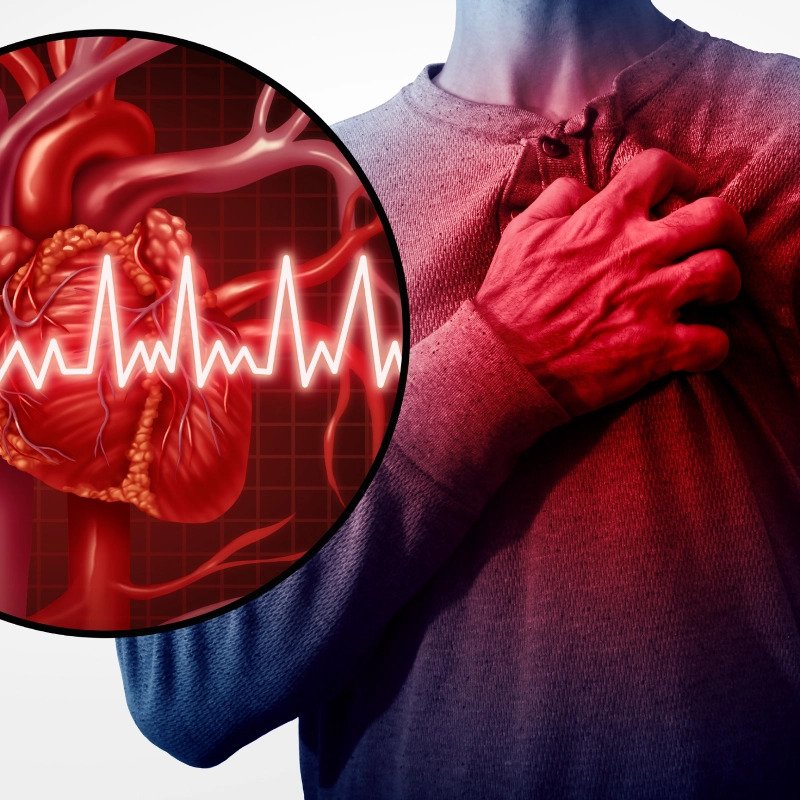
While the rise in heart attacks is concerning, many risk factors are preventable. Regular physical activity, balanced nutrition, stress management, and adequate sleep play a crucial role in protecting heart health. Routine health checkups can help identify high blood pressure, cholesterol issues, and blood sugar imbalances before they become serious.
Public awareness campaigns and workplace wellness initiatives are also essential in promoting healthier lifestyles and encouraging early intervention.
Final Thoughts
The increase in heart attack cases reflects broader changes in modern life—from lifestyle habits and mental health challenges to environmental factors and healthcare gaps. While medical advancements have improved survival rates, prevention remains the most powerful tool.
Understanding the causes behind this rise is the first step toward reversing the trend. By making informed lifestyle choices and prioritizing heart health, individuals and communities can work together to reduce the growing burden of cardiovascular disease.