


In recent years, herbal teas have gained immense popularity among health-conscious individuals around the world. Unlike traditional teas made from the leaves of the Camellia sinensis plant, herbal teas are created by infusing a variety of herbs, flowers, fruits, and spices in hot water. These naturally caffeine-free beverages are valued not only for their refreshing flavors but also for their numerous health benefits. As more people seek natural ways to improve their well-being, herbal teas have become an essential part of daily wellness routines.
One of the main reasons herbal teas are so popular is their wide variety of flavors and ingredients. Different herbs provide different aromas and tastes, making herbal tea a versatile drink that can be enjoyed at any time of the day. For instance, Chamomile tea is widely known for its calming properties and mild floral flavor. Many people drink it before bedtime to help relax the mind and improve sleep quality. Similarly, Peppermint tea offers a refreshing and cooling taste that can help soothe digestion and relieve bloating.
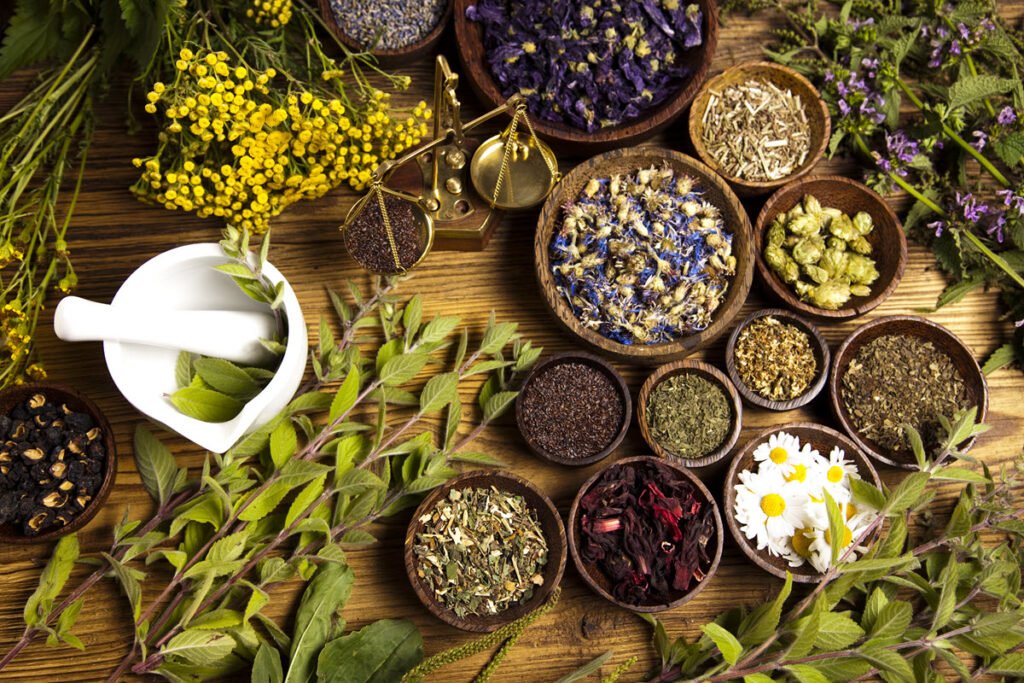
Another widely loved herbal option is Ginger tea. Known for its warm and slightly spicy flavor, ginger tea has been used for centuries in traditional medicine. It is commonly consumed to help with nausea, improve digestion, and strengthen the immune system. Likewise, Hibiscus tea stands out for its deep red color and tangy flavor. It is rich in antioxidants and is often associated with supporting heart health and helping to regulate blood pressure.
One of the biggest advantages of herbal teas is that they are naturally caffeine-free. This makes them an excellent alternative for people who want to reduce their caffeine intake but still enjoy a warm and comforting beverage. While traditional teas such as Green tea or Black tea contain caffeine, most herbal infusions do not. As a result, herbal teas can be enjoyed throughout the day without interfering with sleep patterns.
Herbal teas also play a significant role in traditional healing practices across many cultures. In India, herbal beverages have long been a part of Ayurveda, an ancient system of natural medicine. Ingredients such as Tulsi (holy basil), ginger, and cinnamon are commonly used to prepare herbal infusions believed to boost immunity and balance the body’s internal systems. Many households prepare herbal teas as home remedies for common issues like colds, coughs, and digestive discomfort.
Another appealing aspect of herbal tea is its simplicity. Preparing a cup requires only a few ingredients and minimal effort. Fresh or dried herbs are steeped in hot water for several minutes, allowing the natural flavors and beneficial compounds to infuse into the liquid. Some people enhance the taste by adding natural sweeteners like honey or a slice of lemon. This simple preparation method makes herbal tea accessible and convenient for everyone.
Beyond health benefits, herbal tea drinking can also become a relaxing daily ritual. Taking a few minutes to prepare and enjoy a warm cup of herbal tea can help reduce stress and promote mindfulness. In today’s fast-paced world, these small moments of calm are increasingly valuable for maintaining mental well-being.
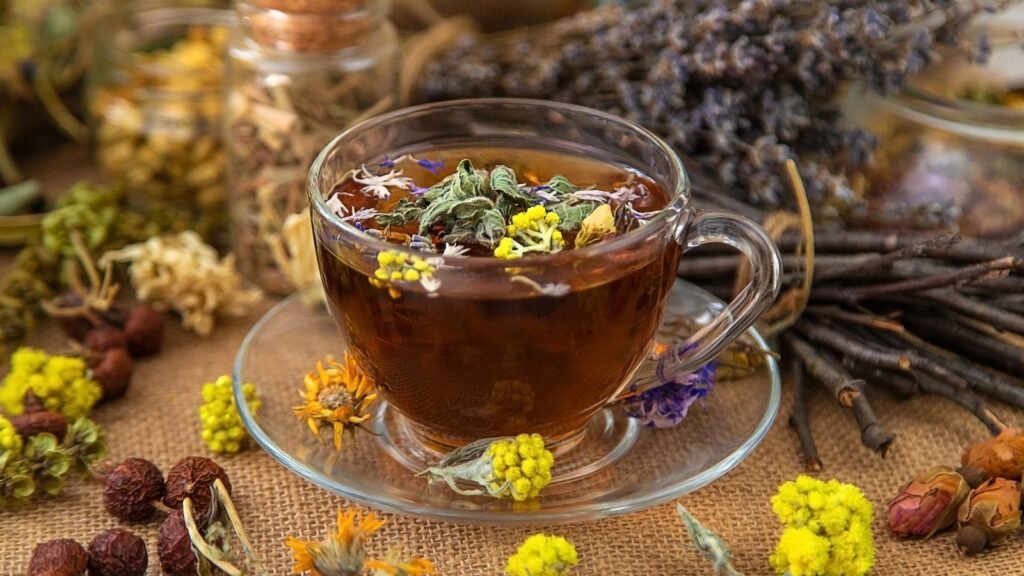
As awareness of natural health remedies continues to grow, herbal teas are likely to remain a popular choice for people seeking healthier beverage options. Whether it’s the soothing aroma of chamomile, the refreshing taste of peppermint, or the warming comfort of ginger, herbal teas offer a delightful blend of flavor and wellness.
In essence, herbal teas are more than just beverages—they represent a natural, simple, and enjoyable way to support a healthier lifestyle. With their rich history, diverse flavors, and potential health benefits, it’s easy to see why herbal teas continue to win the hearts of tea lovers around the world.