


The Venezuelan migration crisis is one of the largest displacement crises in modern history. Over the past decade, millions of Venezuelans have left their home country in search of safety, stability, and basic opportunities. While migration has always existed in Latin America, the scale and speed of Venezuela’s population movement make this crisis unique and deeply impactful for the entire region.
The roots of the crisis lie mainly in Venezuela’s economic collapse. Once one of the wealthiest countries in South America due to its vast oil reserves, Venezuela’s economy became heavily dependent on oil exports. When global oil prices fell and mismanagement increased, government revenue dropped sharply. Shortages of food, medicine, and essential services followed. Hyperinflation made everyday items unaffordable, and wages lost their value almost overnight. For many families, staying in the country became nearly impossible.
Political instability has also played a major role. Ongoing tensions between the government and opposition groups weakened institutions and reduced public trust. Accusations of corruption, lack of political freedoms, and disputed elections further deepened the crisis. As political conflict continued, international sanctions were imposed, adding more pressure to an already struggling economy. While sanctions targeted government officials and industries, ordinary citizens often felt the indirect effects.
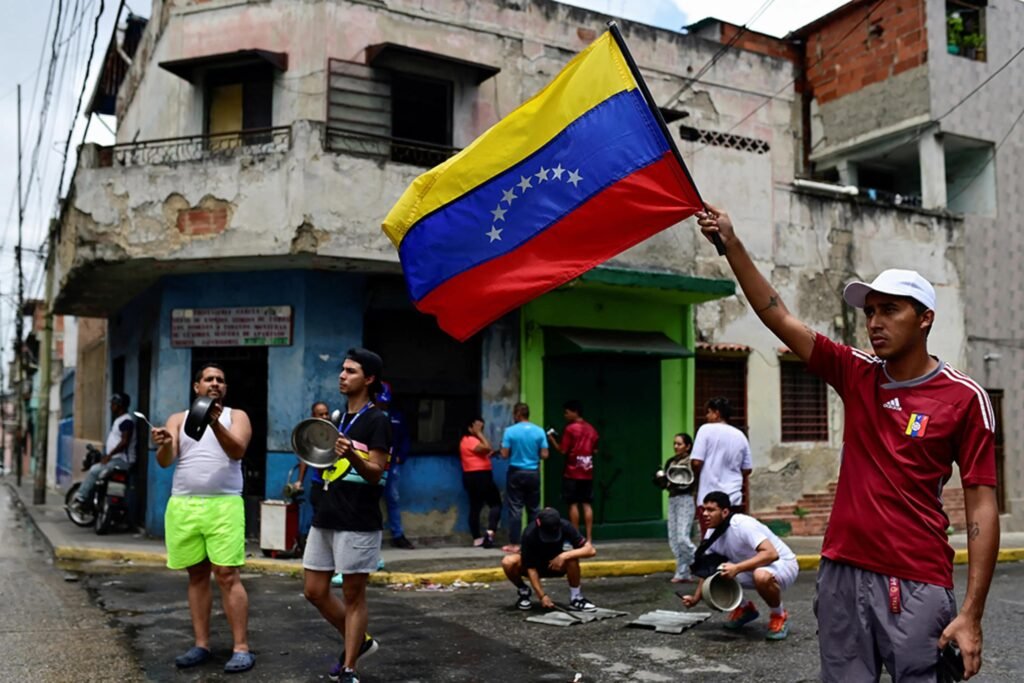
As living conditions worsened, millions of Venezuelans began to leave. Most migrants traveled to nearby countries such as Colombia, Peru, Ecuador, and Brazil because of proximity and lower travel costs. Others eventually made their way to Central America, the Caribbean, and the United States. Many migrants left with little more than basic belongings, often traveling long distances on foot or by bus. Families were frequently separated, and children faced disruptions to their education.
The impact on host countries has been significant. Nations receiving large numbers of Venezuelan migrants have had to expand healthcare, housing, and education services quickly. While many migrants contribute positively to local economies by filling labor shortages, the sudden population increase has strained public resources. This has sometimes led to social tension, misinformation, and discrimination, especially in areas with high unemployment.
Despite these challenges, many countries have shown remarkable solidarity. Several governments introduced temporary protection programs that allow Venezuelans to work legally and access basic services. Community organizations and international agencies have provided food, shelter, and medical care. These efforts highlight the importance of cooperation during humanitarian crises, even when resources are limited.
The migration crisis has also raised questions about long-term solutions. Humanitarian aid alone cannot resolve the situation. Sustainable change depends on economic recovery, political stability, and restored public services inside Venezuela. Without improvements at home, many migrants will continue to see leaving as their only option. At the same time, host countries need international support to manage integration and prevent social conflict.
For migrants themselves, life abroad is often difficult. Many face legal uncertainty, language barriers, and limited job opportunities. Yet for most, migration represents hope—a chance to rebuild their lives and support family members left behind. Remittances sent back to Venezuela have become a crucial source of income for those who remain.
Showcasing human resilience, the Venezuelan migration crisis is not just about numbers or politics; it is about people seeking dignity and survival. Understanding its causes and consequences helps explain why this issue matters beyond national borders. As the crisis continues, regional cooperation and long-term solutions will be essential to ensuring a more stable and humane future for both migrants and the countries that receive them