


In today’s hyper-competitive ecommerce landscape, winning is no longer just about having the lowest prices or the widest product selection. As we move deeper into 2026, customer experience (CX) has emerged as the single most important differentiator between brands that grow and those that fade away. With rising acquisition costs, shorter attention spans, and increasingly empowered consumers, ecommerce businesses are realizing that how customers feel during their journey matters just as much as what they buy.

The Shift from Price Wars to Experience Wars
For years, ecommerce brands competed aggressively on pricing and promotions. Discounts, flash sales, and free shipping became standard expectations rather than advantages. As a result, competing solely on price has become unsustainable, especially for small and mid-sized brands facing global marketplaces and retail giants.
Customer experience, however, is harder to copy. A seamless website, intuitive navigation, fast support, personalized recommendations, and transparent policies create emotional loyalty that price cuts alone cannot achieve. Today’s shoppers are willing to pay more for brands that respect their time, understand their needs, and make shopping effortless.
Rising Customer Expectations in a Digital-First World
Modern consumers are shaped by platforms like Amazon, Apple, and Netflix—brands that have set incredibly high standards for convenience and personalization. As a result, shoppers expect:
- Fast-loading websites
- Easy product discovery
- Clear pricing and delivery timelines
- Instant customer support
- Personalized shopping experiences
If an ecommerce store fails to meet these expectations, customers don’t complain—they simply leave. With countless alternatives just a click away, poor customer experience directly translates to lost revenue.
Customer Experience Drives Conversion and Retention
Customer experience isn’t just a branding concept; it has measurable business impact. A smooth and engaging experience increases conversion rates by removing friction from the buying process. Simple improvements—such as faster checkout, better search functionality, or clearer product descriptions—can significantly boost sales.
Even more importantly, CX fuels customer retention. Acquiring a new customer is far more expensive than retaining an existing one, especially as paid advertising costs continue to rise. Brands that deliver consistent, positive experiences are more likely to see repeat purchases, higher lifetime value, and organic word-of-mouth growth.

In a market where traffic is costly and attention is limited, retention driven by great CX becomes a powerful growth engine.
Personalization Is No Longer Optional
One of the biggest drivers of modern customer experience is personalization. Shoppers now expect brands to understand their preferences, browsing behavior, and purchase history. Generic storefronts and one-size-fits-all messaging feel outdated and impersonal.
Personalized product recommendations, tailored emails, dynamic content, and relevant offers make customers feel seen and valued. When done right, personalization reduces decision fatigue and helps shoppers find what they need faster—leading to higher satisfaction and increased conversions.
Support and Trust as Competitive Advantages
Customer experience extends far beyond the checkout page. Post-purchase interactions—order updates, delivery communication, returns, and customer support—play a critical role in shaping brand perception.
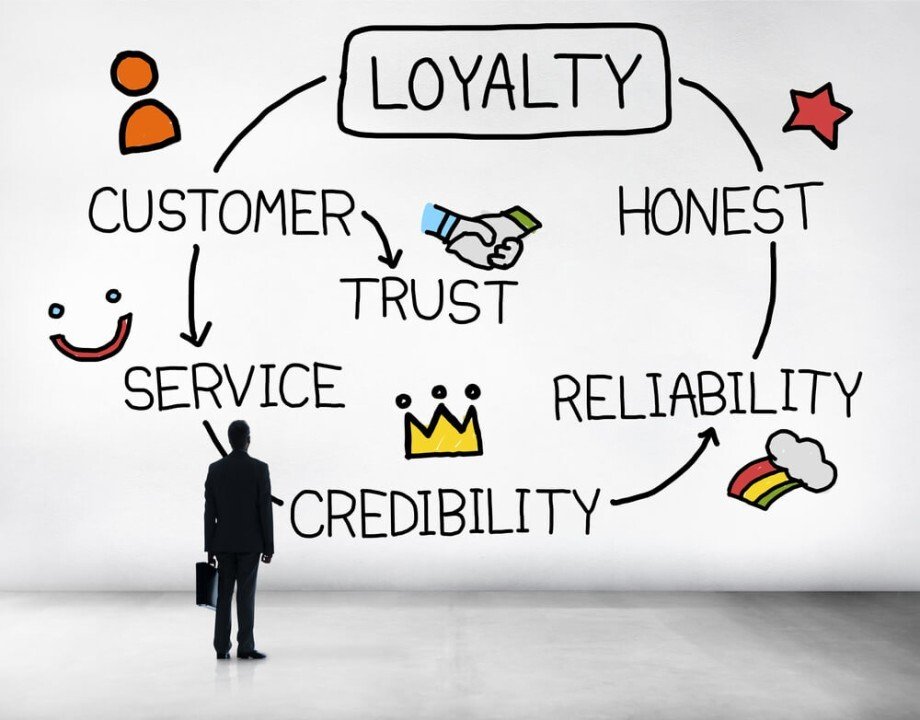
Fast, empathetic, and transparent support builds trust, especially when issues arise. On the other hand, slow responses, hidden policies, or confusing return processes quickly erode confidence. In an era where reviews and social proof heavily influence buying decisions, trust has become a key competitive advantage.
Technology Is Raising the CX Bar
Advances in AI, automation, and data analytics are pushing customer experience expectations even higher. AI chatbots offer instant support, smart search improves product discovery, and predictive analytics help brands anticipate customer needs. As these tools become more accessible, customers will increasingly expect intelligent, frictionless experiences by default.
Brands that fail to invest in CX-enhancing technology risk falling behind competitors who deliver faster, smarter, and more personalized journeys.
Conclusion: Experience Is the New Brand
In 2026, ecommerce success is no longer defined solely by products or prices—it’s defined by experiences. Customer experience is the new battleground where loyalty is earned, differentiation is created, and long-term growth is secured.
Brands that prioritize seamless journeys, personalization, trust, and post-purchase satisfaction will thrive in an increasingly crowded market. Those that ignore CX may still attract visitors—but they won’t keep them. In the end, the best ecommerce brands don’t just sell products; they deliver experiences customers want to return to.