


The recent seizure of a Russian-flagged oil tanker by the United States in the Atlantic Ocean has drawn global attention and raised serious questions about sanctions, international law, and rising geopolitical tensions. While the incident may appear to involve a single ship, it reflects much larger conflicts surrounding energy, enforcement of sanctions, and power politics between major nations.
At the center of the issue is the U.S. effort to enforce international sanctions on oil exports linked to Russia and Venezuela. Since the escalation of the Russia–Ukraine war, the United States and its allies have imposed strict sanctions on Russian energy exports to limit Moscow’s ability to fund its military operations. Similarly, Venezuela remains under U.S. sanctions due to political and human rights concerns. According to U.S. officials, the seized tanker was allegedly involved in transporting oil connected to sanctioned networks, using complex methods to avoid detection.
One reason the tanker was targeted is the growing use of what analysts call the “shadow fleet.” These are oil tankers that frequently change names, ownership records, and flags to disguise their origins and destinations. Many operate with limited transparency and often disable tracking systems to avoid scrutiny. The U.S. claims that the seized vessel had previously altered its registration and route, raising suspicions that it was deliberately evading sanctions enforcement.
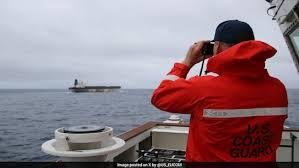
From Washington’s perspective, seizing the tanker sends a strong message: sanctions will be actively enforced, even beyond U.S. territorial waters. The move reflects a broader strategy to disrupt illegal oil trade networks that help sanctioned governments earn revenue. U.S. officials argue that allowing such shipments to continue unchecked would weaken the credibility of sanctions and encourage further violations.
However, the seizure has also sparked controversy and criticism, particularly from Russia. Moscow condemned the action as illegal, stating that no country has the right to use force against civilian vessels on the high seas. Russian officials cited international maritime law, which generally supports freedom of navigation in international waters. The incident reportedly prompted Russia to deploy naval assets to monitor the situation, escalating tensions and raising fears of miscalculation.
The tanker seizure also highlights how energy has become a central battlefield in modern geopolitics. Oil is not just a commodity—it is a source of political power. By targeting oil shipments, the U.S. aims to weaken adversaries economically while reinforcing its leadership among allies. At the same time, countries like Russia seek alternative routes, partners, and tactics to continue exporting energy despite restrictions.
This incident has wider implications for global trade and maritime security. Commercial shipping companies are now more cautious, especially those operating near sanctioned trade routes. Insurance costs may rise, and shipping firms could face greater scrutiny from regulators. For energy markets, such confrontations add uncertainty, potentially affecting oil prices and supply chains.
Critics of the U.S. action argue that aggressive enforcement could set a dangerous precedent. If powerful countries begin seizing vessels on the high seas based on unilateral sanctions, it could undermine international norms and increase the risk of confrontation. Supporters, however, believe that strong enforcement is necessary to prevent sanctions from becoming meaningless.
In conclusion, the U.S. seizure of a Russian-flagged oil tanker in the Atlantic is about far more than one ship. It reflects the intensifying struggle over sanctions, energy control, and global influence. As conflicts increasingly extend into economic and maritime domains, incidents like this show how fragile the balance between enforcement and escalation has become. Whether this action deters future violations or fuels further tensions remains to be seen, but it clearly marks a new phase in the global energy and geopolitical landscape.