


In today’s fast-paced digital workplace, organizations need efficient tools to manage projects, collaborate with teams, and track progress in real time. Traditional methods such as spreadsheets, emails, and scattered communication often lead to confusion and missed deadlines. This is where monday.com comes in—a powerful work management platform designed to help teams organize tasks, automate workflows, and improve productivity.
monday.com is a cloud-based work operating system (Work OS) that enables businesses to plan, track, and manage projects in one centralized platform. It is widely used by teams across industries such as marketing, software development, operations, and human resources. By combining project management tools with collaboration features, monday.com helps organizations streamline their workflows and ensure everyone stays aligned with company goals.
What is monday.com?
At its core, monday.com is a project and work management platform that allows teams to manage tasks, timelines, and resources efficiently. Instead of juggling multiple tools, teams can use monday.com to handle everything—from project planning and task assignment to reporting and performance tracking. The platform offers customizable dashboards and visual boards that allow teams to view all project information in one place.
One of the key strengths of monday.com is its flexibility. Organizations can tailor the platform to match their specific workflows, whether they are managing product launches, marketing campaigns, or internal operations. This adaptability makes it suitable for both small startups and large enterprises.
Key Features of monday.com
1. Visual Project Management
One of the most distinctive aspects of monday.com is its visual interface. The platform uses color-coded boards, charts, and progress indicators that make it easy for teams to quickly understand project status. Instead of reading lengthy reports, users can simply glance at a dashboard to see what tasks are completed, in progress, or delayed.
Additionally, users can switch between multiple project views such as Kanban boards, timelines, calendars, and Gantt charts, allowing teams to visualize their work in the format that suits them best.
2. Workflow Automation
Automation is another powerful feature of monday.com. Teams can automate repetitive tasks such as sending reminders, assigning tasks, or updating project statuses. For example, a manager can create an automation rule that automatically notifies team members when a task deadline is approaching. These automation capabilities save time and allow employees to focus on more strategic work.
3. Collaboration and Communication
Effective communication is essential for successful teamwork. monday.com integrates communication tools directly into project boards, allowing team members to comment, share files, and tag colleagues within tasks. This eliminates the need for long email chains and keeps all project discussions in one place.
The platform also allows external stakeholders or clients to join boards as guests, enabling transparent collaboration without compromising internal workflows.
4. Integrations with Other Tools
Another advantage of monday.com is its ability to integrate with popular tools such as Slack, Google Drive, Zoom, and Microsoft Teams. These integrations help businesses connect their existing tools and maintain seamless workflows without switching between multiple platforms.
5. Data Insights and Reporting
monday.com provides powerful reporting and analytics features that allow managers to monitor productivity and track project performance. Custom dashboards can display metrics such as task completion rates, team workload, and project timelines. These insights help leaders make data-driven decisions and improve overall efficiency.
Benefits for Modern Organizations
The adoption of monday.com has transformed how teams manage work. By providing a single platform for planning, collaboration, and reporting, it reduces confusion and increases transparency within organizations. Managers can easily track progress, allocate resources effectively, and identify potential bottlenecks before they become major issues.
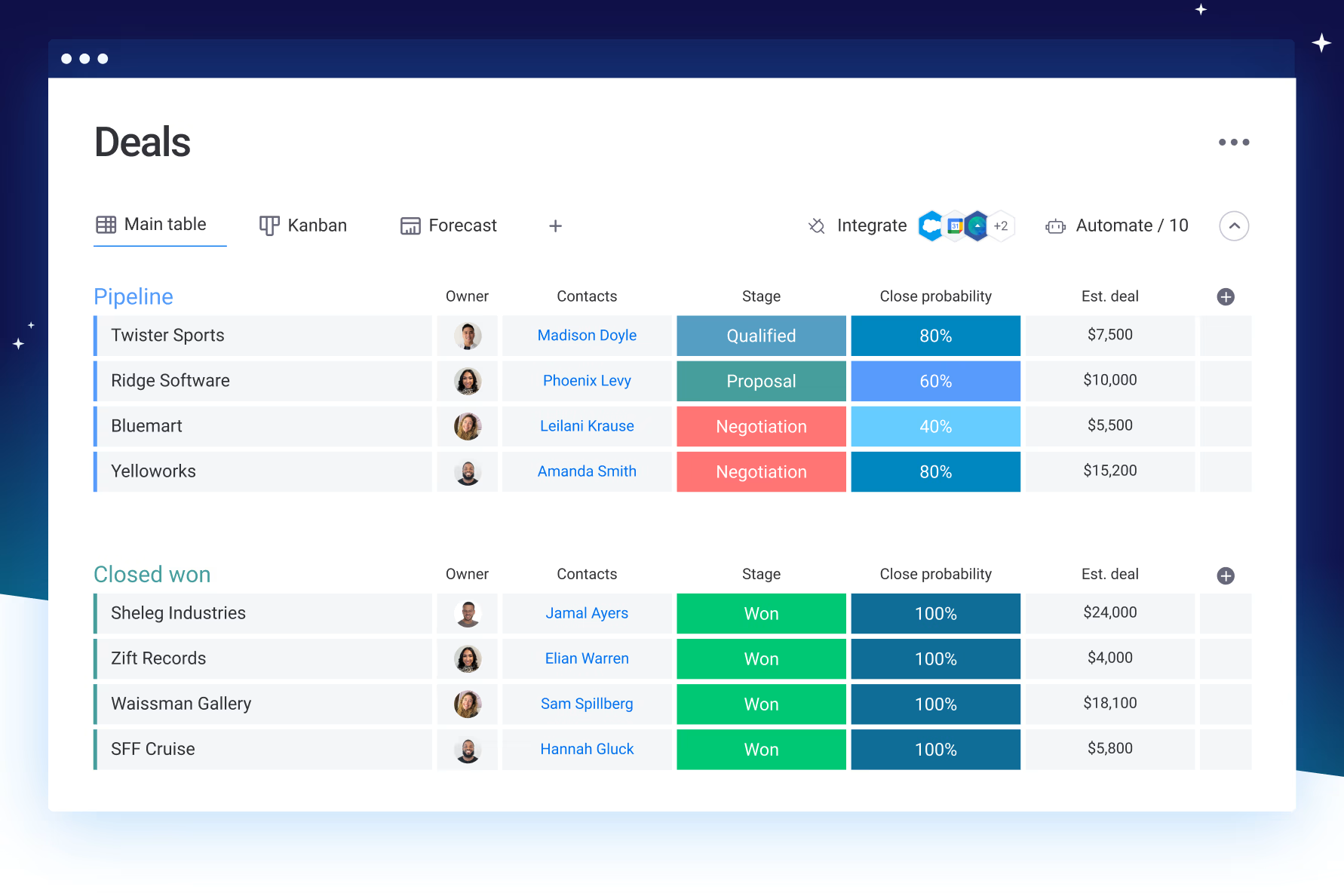
Furthermore, the platform’s intuitive design ensures that teams can start using it quickly without extensive training. The drag-and-drop interface and customizable workflows make it accessible even for users with limited technical expertise.
Conclusion
As workplaces continue to evolve, the need for efficient work management tools becomes increasingly important. monday.com has emerged as a leading solution by combining project management, collaboration, and automation into a single platform. Its visual interface, powerful integrations, and customizable workflows make it an invaluable tool for teams looking to improve productivity and stay organized.
In a world where effective teamwork is key to business success, monday.com is helping organizations transform the way they manage work and achieve their goals.