

The global economy is facing a period of uncertainty as the International Monetary Fund (IMF) has recently warned about the possibility of a global recession. According to the organization, rising geopolitical tensions, high energy prices, inflation, and supply chain disruptions are creating serious risks for the world economy. Governments, businesses, and financial markets are closely watching these developments as economists debate whether the global economy can avoid a major slowdown.
Understanding the IMF’s Warning
The International Monetary Fund is one of the world’s leading financial institutions responsible for monitoring the global economy. When the IMF issues warnings about economic instability, governments and financial institutions take notice. In its recent outlook, the organization highlighted several economic challenges that could push the global economy toward recession if not managed carefully.
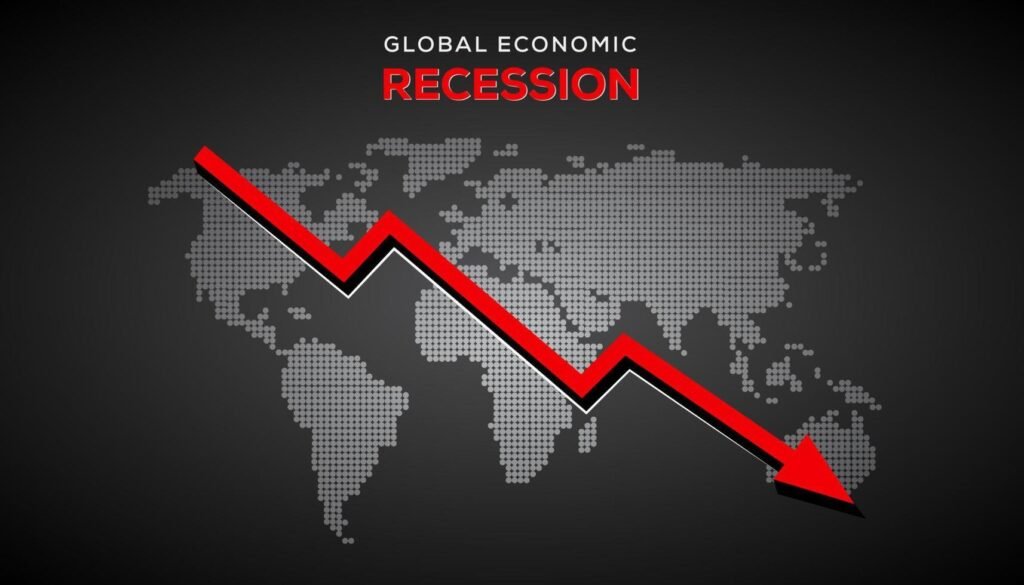
A global recession occurs when economic activity declines across many countries for an extended period. It usually leads to slower economic growth, higher unemployment, reduced consumer spending, and declining business investments.
Rising Energy Prices and Economic Pressure
One of the biggest factors contributing to the IMF’s warning is the rise in global energy prices. Geopolitical tensions, particularly in the Middle East, have disrupted oil supplies and increased fuel costs worldwide. Higher energy prices affect nearly every sector of the economy, from transportation and manufacturing to agriculture and household expenses.
When energy becomes expensive, businesses face higher operating costs, which can lead to increased prices for consumers. This cycle contributes to inflation, making everyday goods and services more expensive.
Inflation and Interest Rate Hikes
Another major concern is persistent inflation in many countries. Over the past few years, inflation has remained high due to supply chain disruptions, increased demand after the pandemic, and rising commodity prices.
To control inflation, many central banks have raised interest rates. Higher interest rates make borrowing more expensive for businesses and consumers. While this helps slow inflation, it can also reduce investment and spending, which may weaken economic growth.
Countries such as the United States, members of the European Union, and several emerging economies are currently dealing with this delicate balance between controlling inflation and maintaining economic growth.
Impact on Developing Economies
Developing nations are particularly vulnerable to a global economic slowdown. Many of these countries rely heavily on imported energy and food supplies. When prices rise globally, their economies face significant pressure.
Higher interest rates in developed countries can also make it harder for developing nations to manage their debts. This could lead to financial instability in regions that are already struggling with economic challenges.
The IMF has emphasized the need for international cooperation to support vulnerable economies and prevent widespread financial crises.
Stock Markets and Investor Sentiment
Financial markets are also reacting to concerns about a possible recession. Stock markets around the world often respond quickly to economic warnings and geopolitical developments.
Investors typically become more cautious during uncertain times, which can lead to market volatility. Companies may delay expansion plans, reduce hiring, or cut investments if they expect economic conditions to worsen.
However, economists note that financial markets can recover quickly if economic policies stabilize the situation.
Steps to Prevent a Global Recession
Despite the warning, economists believe a global recession is not inevitable. Governments and financial institutions still have tools to manage economic risks.
Some important steps include controlling inflation carefully, supporting economic growth through targeted investments, strengthening supply chains, and promoting international cooperation.
Investments in renewable energy, infrastructure, and technology may also help strengthen long-term economic resilience.
Conclusion
The warning from the International Monetary Fund highlights the fragile state of the global economy. Rising energy prices, inflation, geopolitical tensions, and financial uncertainties are creating challenges for countries around the world.
While the risk of a global recession is real, effective economic policies and international cooperation can help reduce the impact. Governments, businesses, and financial institutions must work together to stabilize markets and protect economic growth.
The coming months will be crucial in determining whether the global economy slows down significantly or successfully navigates these economic challenges.