


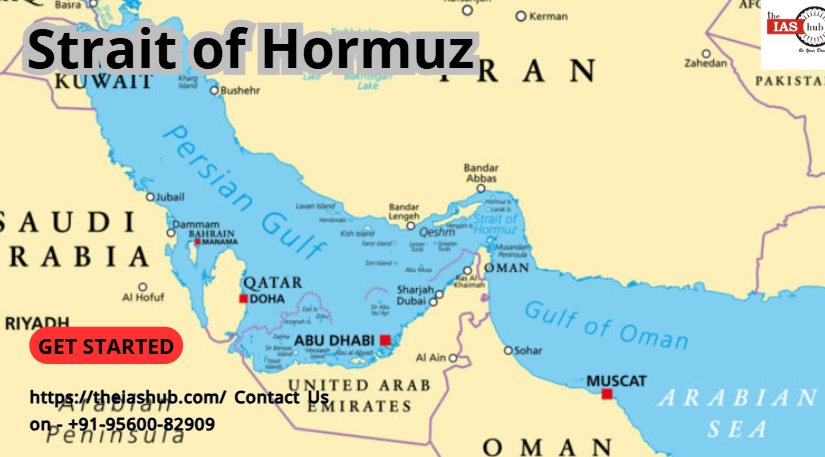
The Strait of Hormuz has become one of the most strategically important and closely watched waterways in the world. Located between Iran and Oman, this narrow sea passage connects the Persian Gulf to the Gulf of Oman and the Arabian Sea. Despite its small size, the strait plays a crucial role in global trade and energy supply. In recent years, rising geopolitical tensions have led to what many analysts call the “race for control” or influence over the Strait of Hormuz.
A Gateway for Global Energy
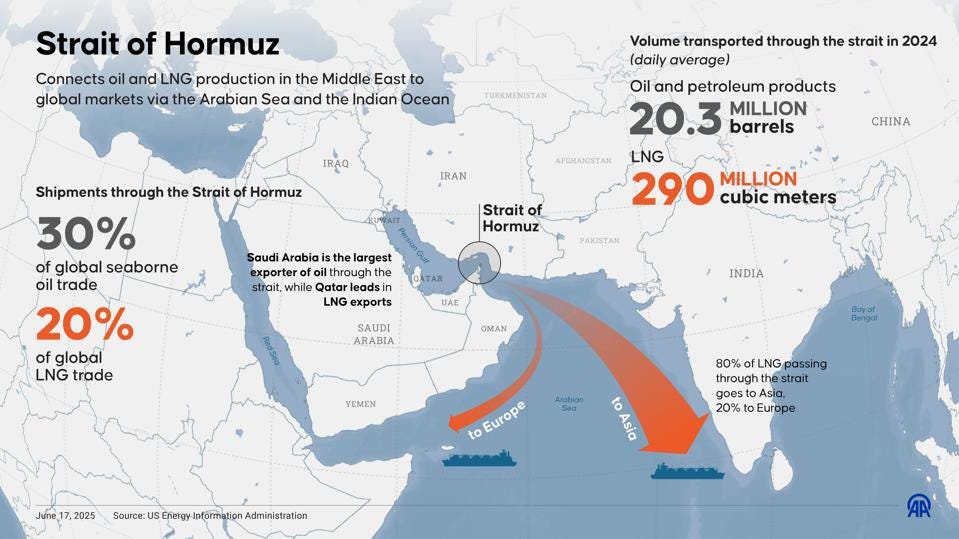
The Strait of Hormuz is often described as the world’s most important oil transit chokepoint. Every day, millions of barrels of crude oil and petroleum products pass through this narrow waterway. Oil from major Middle Eastern producers such as Saudi Arabia, Iraq, Kuwait, Iran, and the United Arab Emirates is transported through this route to global markets.
Energy experts estimate that nearly one-fifth of the world’s oil supply moves through the strait daily. In addition to oil, large shipments of liquefied natural gas from Qatar also pass through this route. Because of this massive energy flow, the Strait of Hormuz has become a lifeline for the global economy.
Countries across Asia, Europe, and other parts of the world depend heavily on these energy supplies. Any disruption in the strait could lead to shortages, rising fuel prices, and economic instability worldwide.
Rising Geopolitical Tensions
The importance of the Strait of Hormuz has also made it a center of geopolitical competition. Several regional and global powers closely monitor activities in the area. Iran, which borders the northern side of the strait, has repeatedly emphasized its strategic influence over the region.
At the same time, international powers such as the United States and its allies maintain naval forces in nearby waters to ensure that the shipping lanes remain open and secure. The presence of multiple military forces has increased tensions and raised concerns about possible confrontations.
Occasional incidents involving oil tankers, naval patrols, and drone surveillance have further heightened fears of conflict. Each new development in the region quickly captures global attention because of the potential impact on energy markets and international stability.
The Global Economic Stakes
The race for influence in the Strait of Hormuz is not only about military power or political dominance—it is also about economic security. Countries that rely heavily on oil imports, especially in Asia, closely monitor the situation in the strait.
Nations such as India, China, Japan, and South Korea receive a significant portion of their oil shipments through this route. If the strait were blocked or disrupted, these countries could face serious energy shortages.
Oil-exporting nations in the Persian Gulf are also highly dependent on the strait. For many of them, it is the primary route for exporting their energy resources to international markets. Any disruption would directly affect their national revenues and economic stability.
Because of these high economic stakes, global markets often react quickly to news from the region. Even rumors of conflict can cause oil prices to rise sharply.
Efforts to Reduce Dependence
In response to the risks associated with the Strait of Hormuz, some countries have begun exploring alternative routes and energy strategies. Oil pipelines that bypass the strait have been developed in certain regions to reduce reliance on the waterway.
Additionally, many nations are investing in renewable energy sources to decrease their dependence on imported oil. While these efforts may reduce risks in the long term, the Strait of Hormuz remains a critical energy route for the foreseeable future.
Conclusion
The Strait of Hormuz is more than just a narrow waterway—it is a strategic crossroads that influences global energy supply, international politics, and economic stability. The ongoing race for influence in this region reflects the immense importance of controlling or securing such a vital route.
As tensions rise and global demand for energy continues, the world will keep a close watch on developments in the Strait of Hormuz. Ensuring that this crucial passage remains open and secure will be essential for maintaining stability in global trade and energy markets