


The relationship between the United States and Iran has been tense for decades, marked by political disagreements, economic sanctions, and occasional military confrontations. In 2026, tensions escalated into a serious conflict that threatened to destabilize the entire Middle East. After weeks of fighting and rising global concern, both countries agreed to a temporary ceasefire. While the agreement offered relief to the international community, it remains fragile and uncertain.
Background of the Conflict
The recent conflict between the United States and Iran developed amid growing tensions in the Middle East. Military strikes, political disagreements, and disputes over regional influence increased hostility between the two nations. The conflict also involved other regional issues, including tensions in Lebanon and concerns about the security of vital shipping routes.
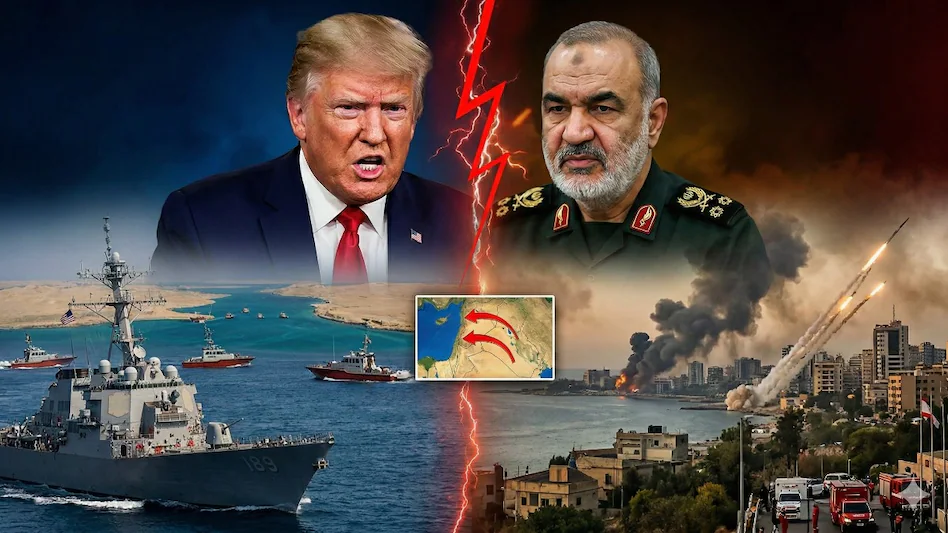
For more than a month, the conflict raised fears of a wider regional war. Military exchanges, missile strikes, and threats to global energy supply routes created alarm worldwide. International leaders and organizations began urging both sides to find a diplomatic solution before the situation escalated further.
Announcement of the Ceasefire
On April 8, 2026, the United States and Iran agreed to a two-week ceasefire aimed at halting hostilities and creating space for negotiations.
The agreement was reportedly mediated by Pakistan, which played an important diplomatic role in bringing both parties to the negotiating table.
Under the temporary truce, the United States agreed to pause its military strikes against Iran. In return, Iran agreed to reopen the Strait of Hormuz, a crucial maritime route through which a large portion of the world’s oil supply passes.
The ceasefire aimed to prevent further escalation while negotiators worked toward a longer-term peace agreement.
Global Reaction to the Truce
The announcement of the ceasefire was welcomed by many countries and international organizations. The conflict had raised serious concerns about global security, energy supplies, and economic stability.
The Strait of Hormuz plays a critical role in global energy transportation. Any disruption in this route could affect oil shipments worldwide, leading to higher fuel prices and economic uncertainty.
For this reason, the reopening of the strait and the halt of military strikes brought temporary relief to global markets and governments concerned about the possibility of a larger war.
Challenges and Accusations
Despite the ceasefire announcement, tensions between the United States and Iran have remained high. Both sides have accused each other of violating the agreement.
In addition, conflicts involving other regional actors have complicated the situation. For example, ongoing military actions in Lebanon and disputes involving allied groups have threatened to undermine the fragile truce.
These developments highlight how difficult it can be to maintain peace in a region with multiple political and military tensions.
Ongoing Peace Negotiations
To strengthen the ceasefire and work toward a lasting peace agreement, diplomatic talks have been scheduled in Islamabad, Pakistan. Senior officials from both countries are expected to participate in these discussions.
The negotiations aim to address key issues such as regional security, sanctions, and Iran’s nuclear and missile programs.
However, experts believe that reaching a permanent agreement may take time because the two nations have deep political differences and long-standing distrust.
Why the Ceasefire Matters
Even though the ceasefire is temporary, it represents an important step toward reducing tensions in the Middle East. It shows that diplomatic efforts can still play a role in resolving major international conflicts.
The agreement also highlights how interconnected global politics and economics are. A conflict in one region can quickly affect energy markets, trade routes, and international security.
Conclusion
The ceasefire between the United States and Iran has provided a brief pause in a dangerous conflict that threatened regional and global stability. While the agreement has created an opportunity for dialogue, its future remains uncertain.
For lasting peace to be achieved, both sides will need to continue negotiations and address the underlying political issues that have fueled tensions for many years. Until then, the ceasefire remains a fragile but important step toward preventing a larger war and maintaining stability in the Middle East