


The year 2026 has brought renewed attention to one of the world’s most pressing challenges—the global energy crisis. As countries struggle to balance rising demand with unstable supply, the crisis has impacted economies, industries, and everyday life. Driven by geopolitical tensions, supply disruptions, and increasing consumption, the global energy situation has created uncertainty across nations.
Causes of the Energy Crisis
One of the major reasons behind the energy crisis in 2026 is geopolitical conflict, particularly in the Middle East. This region plays a crucial role in global oil and gas production. Ongoing tensions and disruptions in supply routes have led to reduced exports and increased prices worldwide.
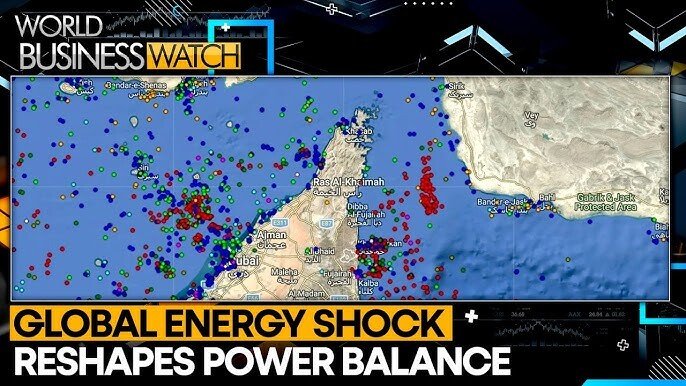
Another key factor is the heavy dependence on fossil fuels. Countries continue to rely on oil, gas, and coal for energy, making them vulnerable to fluctuations in global markets. When supply is disrupted, prices rise sharply, affecting both developed and developing economies.
Additionally, rapid industrial growth and urbanization have significantly increased energy demand. Nations like India and China require large amounts of energy to support their expanding populations and industries. This growing demand has put further pressure on already strained energy resources.
Rising Fuel Prices and Inflation
One of the most visible impacts of the energy crisis is the sharp rise in fuel prices. As oil and gas become more expensive, the cost of transportation, electricity, and manufacturing increases.
Higher energy costs contribute directly to inflation. Everyday goods and services become more expensive as businesses pass on increased production costs to consumers. This has led to a rise in the cost of living across many countries.
For households, higher fuel prices mean increased expenses for cooking gas, electricity, and transportation. This financial strain is particularly difficult for low- and middle-income families.
Impact on Global Economy
The global energy crisis has had a significant impact on economic stability. Many countries are facing slower economic growth due to rising costs and reduced consumer spending.
Industries that rely heavily on energy, such as manufacturing, transportation, and agriculture, are among the hardest hit. Increased fuel costs have raised production expenses, affecting profit margins and business operations.
Stock markets have also shown volatility as investors react to uncertainty in energy supply and pricing. Governments are under pressure to manage inflation while ensuring energy availability.
Supply Chain Disruptions
Energy is a critical component of global supply chains. When energy prices rise or supply becomes unstable, it affects the movement of goods and services worldwide.
Shipping costs increase due to higher fuel prices, leading to delays and increased costs for businesses. This disruption impacts everything from food supply to industrial production, further intensifying the crisis.
Countries that rely heavily on imports are especially vulnerable to these disruptions.
Shift Towards Renewable Energy
The energy crisis has accelerated the global shift toward renewable energy sources. Governments and organizations are investing more in solar, wind, and hydroelectric power to reduce dependence on fossil fuels.
Renewable energy offers a more sustainable and stable alternative, as it is not affected by geopolitical conflicts in the same way as oil and gas. Many countries are introducing policies to promote clean energy adoption and reduce carbon emissions.
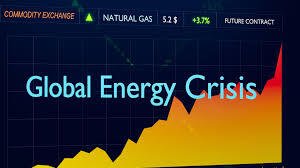
The crisis has highlighted the importance of energy diversification and long-term planning to ensure stability in the future.
Government Measures and Solutions
Governments around the world are taking various steps to manage the energy crisis. These include providing subsidies for fuel, controlling prices, and encouraging energy conservation.
Some countries are also increasing domestic production and exploring new energy sources. Investments in infrastructure, such as storage facilities and renewable energy projects, are being prioritized.
Public awareness campaigns are encouraging people to reduce energy consumption and adopt more efficient practices in daily life.
Conclusion
The global energy crisis in 2026 is a complex issue with far-reaching consequences. Rising fuel prices, economic instability, and supply disruptions have affected countries worldwide. However, the crisis has also created an opportunity to rethink energy strategies and move toward more sustainable solutions.
By investing in renewable energy, improving efficiency, and reducing dependence on fossil fuels, nations can work toward a more stable and secure energy future. The lessons learned from this crisis will play a crucial role in shaping the global energy landscape for years to come.